주한 이라크 대사대리 기고문
이라크의 경제 개혁 경로: 정부의 성과와 지속 가능한 성장을 위한 비전
Escalating Military Confrontation between Saudi Arabia and the Houthis amid Persistent Regional Security Instability
Soyeon Ahn (SNUAC)
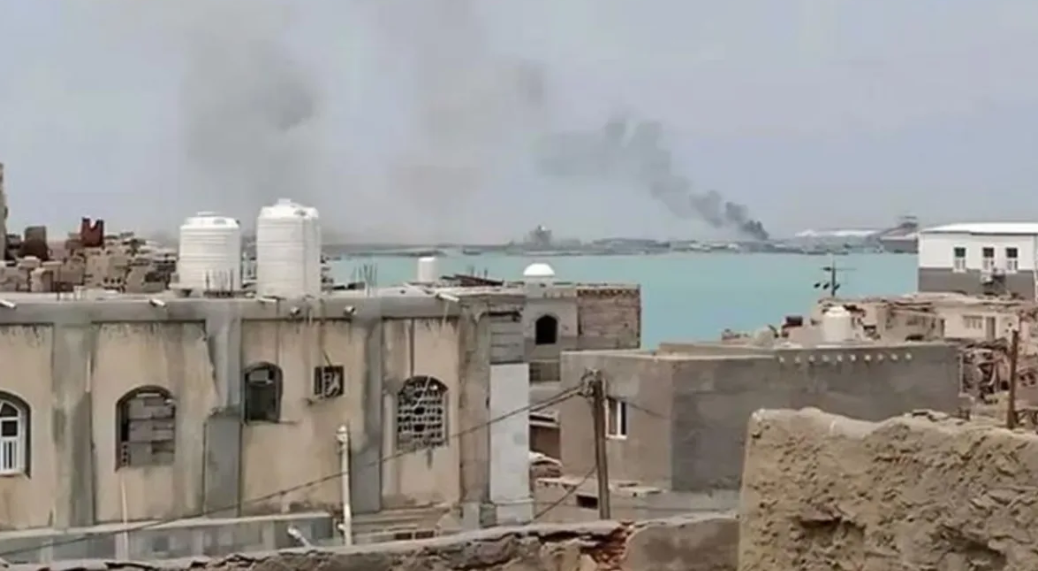
The military confrontation between Saudi Arabia and Yemen’s Houthi rebels, which intensified in September 2026, escalated further in October. In particular, the Houthis expanded their attacks on civilian transport infrastructure, including international airports, resulting in significant casualties. On 6–7 October, the Houthis launched attacks on airports in several southern Saudi cities, including Jazan, Najran and Abha, before targeting King Khalid International Airport in the capital, Riyadh. An attack on Riyadh International Airport on 8 October reportedly killed three Saudi nationals and damaged an aircraft belonging to a Saudi airline. Subsequently, on 10 October, a Houthi missile attack on the airport reportedly killed at least 12 people and injured more than 300 others. The attacks temporarily disrupted airport operations, prompting international airlines to cancel or reroute flights to Riyadh and causing significant disruption to air transport.
The Paradox of “One Nation, Two States”: The Impact of the Hijab Dispute Between Azerbaijan and Türkiye
Han Ha-eun (SNUAC)
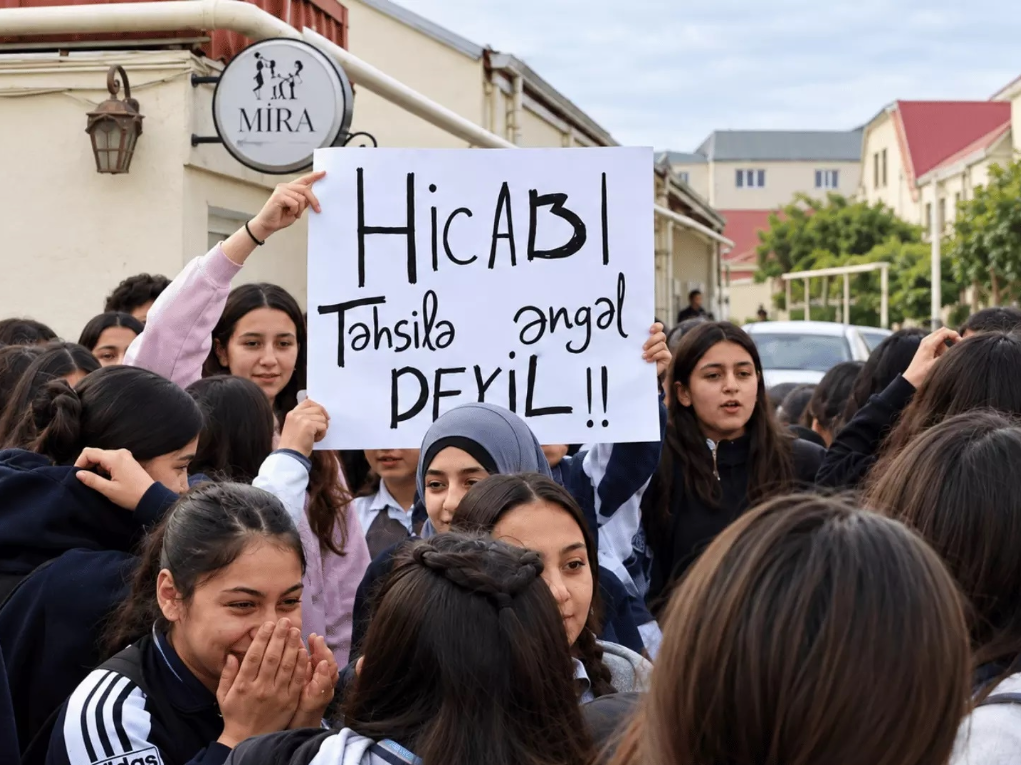
The relationship between Azerbaijan and Türkiye, often described by the phrase “One Nation, Two States,” has been put to the test by controversy over restrictions on hijab-wearing in public schools. The immediate trigger was the Azerbaijani government’s revision of student dress regulations on September 21, 2026, introducing restrictions on attire deemed inconsistent with school uniform rules and the principles of secular education. Although the regulations did not explicitly mention the hijab, some schools reportedly restricted hijab-wearing female students and teachers from entering school, sparking concerns over religious freedom and the right to education. By mid-October, protests by students and parents had intensified, and reports indicated that 37 people had been detained in connection with the demonstrations.

Attempted Hijacking of Tel Aviv-Bound Flight Exposes Security Risks Behind the Abraham Accords
Jisu Lee (SNUAC)
On September 30, an attempted hijacking took place aboard a Flydubai passenger plane traveling from Dubai, United Arab Emirates (UAE), to Tel Aviv, Israel. The attacker was Hamam al-Hammami, an Omani national serving as the flight’s co-pilot. During the flight, he reportedly struck the captain in the head with an emergency axe kept in the cockpit and attempted to seize control of the aircraft. With the captain seriously injured, the plane began to descend rapidly, creating a potentially catastrophic situation. Fortunately, passengers and crew members managed to overpower the co-pilot. Relief pilots who were also on board then took control of the aircraft and made an emergency landing at Tabuk Airport in Saudi Arabia, narrowly averting disaster.
Pakistan’s Strategic Dilemma Under the Mecca Joint Defense Agreement
YANG, Jung-a(SNUAC)
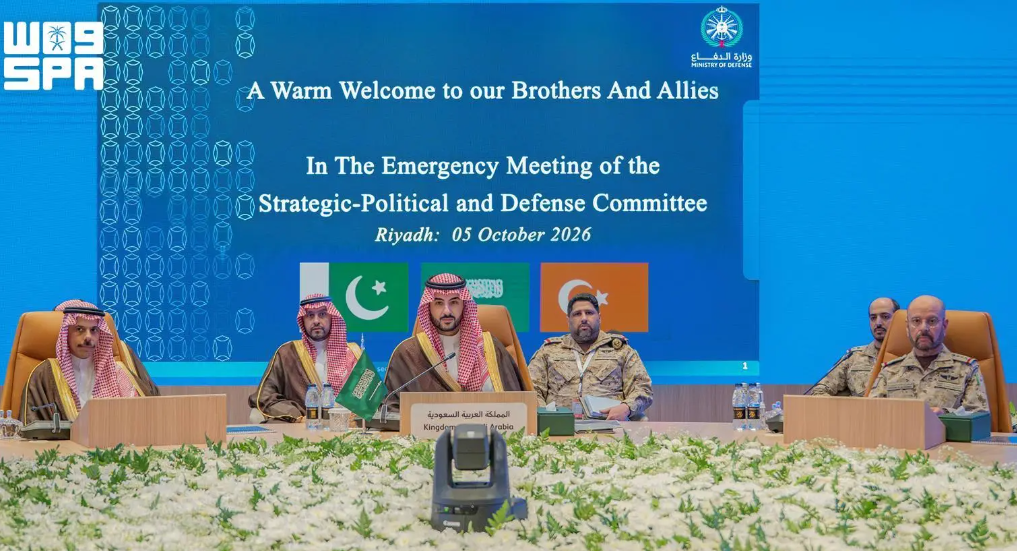
Saudi Arabia and Pakistan signed a Strategic Mutual Defence Agreement on September 17, 2025, and on August 7, 2026, the two countries, together with Türkiye, concluded the Mecca Joint Defense Agreement. Since September, as Yemen’s Houthi rebels have intensified their attacks on Saudi territory, Pakistan has come under pressure to honor these commitments. Pakistan’s support and response should be understood in two distinct phases: military assistance provided under the 2025 bilateral agreement, and measures taken after the signing of the 2026 Mecca Joint Defense Agreement.
발행처: 서울대학교 아시아연구소 서아시아센터, HK+메가아시아연구사업단
발행인: 채수홍 편집위원장: 구기연 편집위원: 안소연, 한하은, 황의현
연락처: 02-880-2084, katib@snu.ac.kr