The Paradox of “One Nation, Two States”: The Impact of the Hijab Dispute Between Azerbaijan and Türkiye
Han Ha-eun (SNUAC)
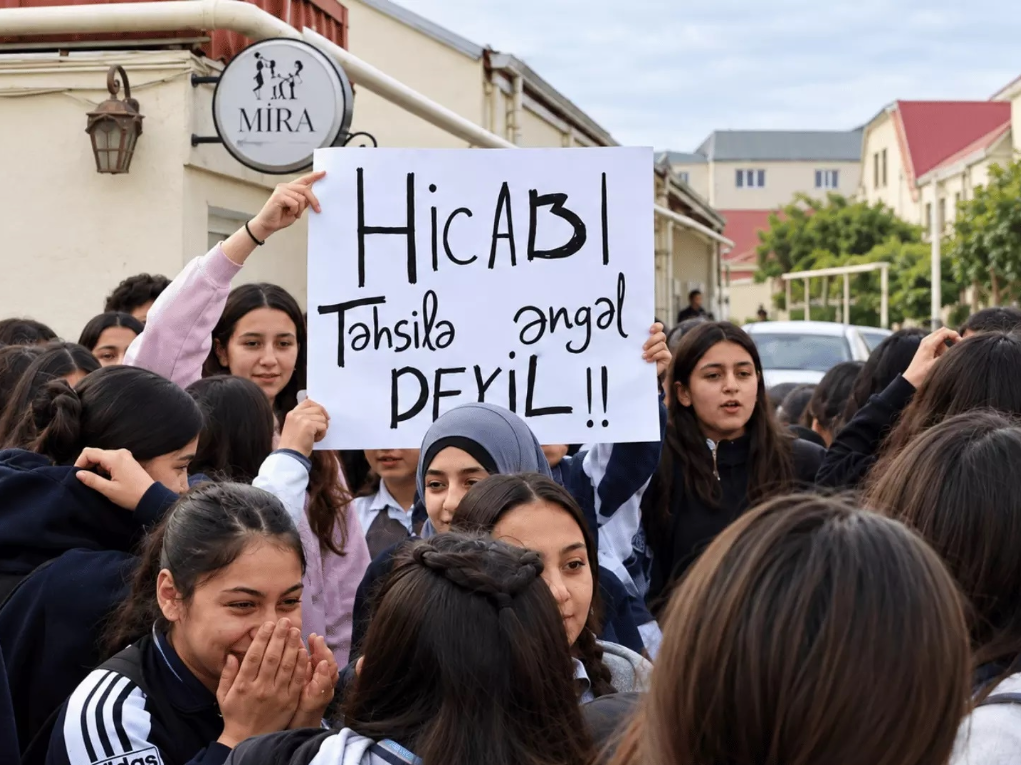
The relationship between Azerbaijan and Türkiye, often described by the phrase “One Nation, Two States,” has been put to the test by controversy over restrictions on hijab-wearing in public schools. The immediate trigger was the Azerbaijani government’s revision of student dress regulations on September 21, 2026, introducing restrictions on attire deemed inconsistent with school uniform rules and the principles of secular education. Although the regulations did not explicitly mention the hijab, some schools reportedly restricted hijab-wearing female students and teachers from entering school, sparking concerns over religious freedom and the right to education. By mid-October, protests by students and parents had intensified, and reports indicated that 37 people had been detained in connection with the demonstrations.
The dispute highlights the different historical experiences that have shaped the two countries’ approaches to secularism. Although the majority of Azerbaijan’s population is Muslim, the country has maintained a secular state structure shaped in part by its Soviet past, emphasizing the separation of religion and state. Baku maintains that the measures are not intended to ban religious attire as such, but rather to uphold uniform dress standards and the principles of secular education. Concerns that Iran’s religious influence could threaten Azerbaijan’s national identity and stability have also been cited as part of the broader policy context. Türkiye, by contrast, retains a strong political memory of the exclusion of hijab-wearing women from universities and public institutions under the secularist system of the 1990s. Recep Tayyip Erdoğan and his Justice and Development Party (AKP) made the relaxation of these restrictions an important part of their political agenda. Restrictions on the hijab in universities began to ease in 2010, and in October 2013, the ban on headscarves for civil servants was lifted in most public institutions. Consequently, Azerbaijan’s measures have been viewed by conservative and religious circles in Türkiye as an infringement on religious freedom and the right to education.
The dispute soon escalated into a public exchange between political figures in the two countries. When Oktay Saral, an adviser to President Erdoğan, and several AKP figures criticized the restrictions on hijab-wearing students, Azerbaijan’s ruling New Azerbaijan Party (YAP), led by President Ilham Aliyev, denounced their remarks as irresponsible political interference. The Azerbaijani side emphasized that the two countries’ fraternal ties did not give either side the right to interfere in the other’s domestic affairs. However, during his visit to Baku on October 15, Turkish Foreign Minister Hakan Fidan stressed that the strategic relationship between the two countries was more important than any individual dispute and that differences should be resolved through dialogue.
Although the dispute is unlikely to immediately undermine military and economic cooperation between the two countries, it has exposed differences that have long been obscured by the symbolism of their “brotherhood.” The hijab issue lies at the intersection of religious freedom, national sovereignty, secularism, national identity, and regional competition involving Iran and other actors. Ultimately, the future of Azerbaijani-Turkish relations will depend not merely on affirming the closeness of their alliance, but also on their ability to respect and manage differences in domestic politics and social sensitivities.
‘한 민족, 두 국가’의 균열? 아제르바이잔·튀르키예, 히잡 갈등의 파장
한하은(아시아연구소)
아제르바이잔과 튀르키예의 이른바 ‘한 민족, 두 국가(One Nation, Two States)’ 관계가 공립학교 히잡 착용 제한을 둘러싸고 시험대에 올랐다. 갈등의 직접적인 계기는 아제르바이잔 정부가 2026년 9월 21일 학생 복장 규정을 개정해 교복 규정과 세속교육 원칙에 어긋나는 복장을 제한한 것이다. 규정에 히잡을 명시하지는 않았지만, 일부 학교에서 히잡을 착용한 여학생과 교사의 등교·출근을 제한하면서 종교의 자유와 교육권 침해 논란이 확산됐다. 10월 중순에는 학생과 학부모들의 항의가 이어졌고, 관련 시위 과정에서 37명이 구금됐다는 보도도 나왔다.
이번 사태는 양국의 세속주의를 둘러싼 서로 다른 역사적 경험을 드러낸다. 아제르바이잔은 무슬림 인구가 다수를 차지하지만, 소련 시기를 거친 세속국가로서 종교와 국가의 분리를 강조해 왔다. 바쿠는 이번 조치가 종교적 복장 자체에 대한 금지가 아니라 통일된 교복과 세속교육 원칙을 유지하기 위한 것이라고 주장한다. 특히 이란의 종교적 영향력이 자국의 정체성과 안정성을 위협할 수 있다는 우려도 정책의 배경으로 거론된다. 반면 튀르키예에서는 1990년대 세속주의 체제 아래 히잡 착용 여성이 대학과 공직에서 배제됐던 경험이 여전히 중요한 정치적 기억으로 남아 있다. 레제프 타이이프 에르도안과 정의개발당(AKP)은 이러한 제한을 완화하는 데 정치적 정당성을 부여했다. 대학의 히잡 제한은 2010년부터 완화됐고, 2013년 10월에는 공무원의 히잡 착용 금지가 대부분의 공공기관에서 해제됐다. 따라서 아제르바이잔의 조치는 튀르키예 보수·종교계에 종교의 자유와 교육받을 권리를 침해하는 문제로 받아들여졌다.
갈등은 양국 정치권의 공개적인 공방으로 번졌다. 에르도안 대통령의 고문 옥타이 사랄과 AKP 소속 일부 인사들이 히잡 착용 학생들의 등교 제한을 비판하자, 일함 알리예프 대통령의 집권 신아제르바이잔당(YAP)은 이를 무책임한 정치적 개입이라고 반박했다. 아제르바이잔 측은 양국의 형제애가 상대국의 국내 정책에 간섭할 권리를 의미하지 않는다고 강조했다. 그러나 10월 15일 바쿠를 방문한 하칸 피단 튀르키예 외무장관은 양국의 전략적 관계가 개별 현안보다 중요하다며 이견을 대화로 해결해야 한다고 밝혔다.
이번 갈등이 양국의 군사·경제 협력을 곧바로 훼손할 가능성은 제한적이지만, ‘형제국’이라는 상징 아래 가려졌던 차이는 분명해졌다. 히잡 문제는 종교의 자유와 국가 주권, 세속주의와 국가 정체성, 그리고 이란을 비롯한 역내 영향력 경쟁이 교차하는 사안이다. 결국 양국 관계의 향방은 동맹의 친밀함을 강조하는 데 그치지 않고, 서로 다른 국내 정치와 사회적 민감성을 얼마나 존중하며 조정할 수 있는지에 달려 있다.
(사진출처:https://eurasianet.org/azerbaijan-and-turkey-spar-over-hijab-ban)