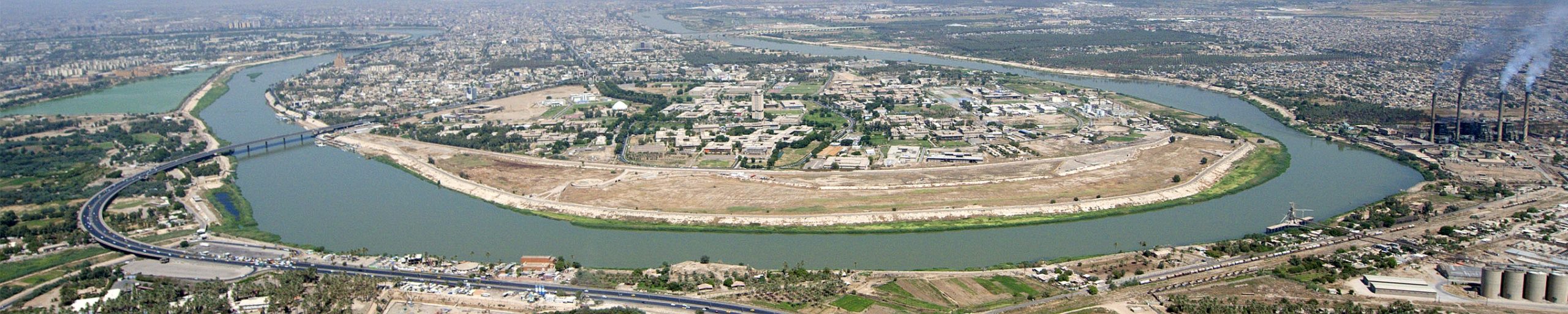
Photo: U.S. Navy Petty Officer 2nd Class Dominique A. Pineiro / DoD (2016)
이라크의 경제 개혁 경로: 정부의 성과와 지속 가능한 성장을 위한 비전
모함마드 알문타페키 박사
임시대리대사
주한 이라크공화국 대사관
이라크 경제는 현재 거시경제 안정성을 강화하고 국내적 도전과 대외적 변동 모두에 대응할 수 있는 지속 가능한 발전의 기반을 구축하는 것을 목표로 하는 포괄적인 경제 및 재정 개혁을 이행하려는 정부의 높아지는 의지를 반영하는 중대한 변화를 겪고 있습니다. 이러한 맥락에서, 저는 주한 이라크공화국 대사관 임시대리대사로서 최근 몇 년간 실현된 가장 두드러진 정부 개혁과 주요 경제적 성과를 조명하는 이 개관을 소개하게 되어 기쁘게 생각합니다.
이라크 정부는 국가 예산의 편성 및 집행 메커니즘을 재구조화하고 이를 개발 우선순위와 보다 긴밀하게 연계함으로써 공공재정관리 개혁에 큰 역점을 두어 왔으며, 이를 통해 생산적 부문으로의 보다 효율적인 자원 배분을 보장하고 있습니다. 또한 공공 지출을 합리화하고 낭비를 줄이기 위한 실질적인 조치들이 취해졌으며, 이와 함께 세입, 특히 석유 부문에서 발생하는 세입 관리의 투명성도 강화되었습니다. 동시에 조세 및 관세 개혁을 통해 비석유 세입을 강화하려는 분명한 정책 방향이 있었으며, 이는 재정 기반의 확대와 단일 소득원에 대한 의존도 감소에 기여하고 있습니다.
통화 측면에서, 이라크 중앙은행은 보다 규율 있는 통화정책을 통해 환율을 안정시키고 시장 변동성을 억제하기 위한 노력을 지속해 왔으며, 이는 외환보유고 관리의 개선에 의해 뒷받침되었고, 외환보유고는 이전 몇 년과 비교하여 상대적으로 여유 있는 수준에 도달하였습니다. 이와 병행하여, 첨단 전자 시스템의 도입과 국제 기준 준수의 강화를 포함하여 은행 부문을 현대화하기 위한 개혁이 도입되었습니다. 이러한 조치들은 투자자 신뢰를 높이고 이라크의 글로벌 금융 시스템으로의 통합을 강화하는 데 기여하였습니다.
기업 환경과 관련하여, 최근의 동향은 역사적으로 투자를 저해해 온 행정 절차의 간소화와 관료주의적 장애물의 감소에 있어 가시적인 진전을 보여 줍니다. 민간 부문을 발전의 핵심 파트너로서 지원하기 위한 이니셔티브들이 시작되었으며, 이와 함께 추가적인 편의 제공 조치와 보장을 통해 외국인 투자를 유치하려는 노력도 이루어졌습니다. 정부는 또한 특히 주요 인프라 프로젝트의 이행에 있어 민관협력을 우선시하였으며, 이는 경제 성장과 일자리 창출을 위한 새로운 길을 열어 주고 있습니다.
이용 가능한 경제 데이터는 주요 성과 지표의 상대적 개선을 가리키고 있으며, 주로 석유 생산 증가와 유리한 국제 가격에 힘입은 플러스 성장률과 더불어, 적자 감소 및 예산 안정성 증대와 같은 재정 지표의 개선이 나타나고 있습니다. 나아가 무역과 서비스를 포함한 일부 비석유 부문은 회복과 점진적 성장의 초기 징후를 보여 왔으며, 이는 비록 여전히 구조적 도전에 직면해 있기는 하지만 경제 다각화를 향한 초기 전환을 반영합니다.
부문별 발전 측면에서, 정부는 전력, 교통, 주택—경제 활동을 촉진하고 투자 환경을 개선하는 데 필수적인 부문들—분야의 전략적 프로젝트를 통해 인프라를 발전시키는 데 주력해 왔습니다. 이와 동시에, 인력의 역량을 노동시장의 수요에 부합시키고 특히 청년층의 실업을 줄이는 것을 목표로, 교육 및 직업훈련 프로그램의 강화를 통한 인적 자본 개발에도 노력을 기울여 왔습니다.
이러한 성과에도 불구하고, 이라크 경제는 여전히 구조적 도전에 직면해 있으며, 그중 가장 두드러진 것은 석유에 대한 높은 의존도와 여타 생산 부문의 GDP 기여도가 제한적이라는 점, 그리고 거버넌스 관련 문제들입니다. 또한 에너지 시장의 변동을 포함한 역내 및 세계적 불확실성이 계속해서 국가 경제에 압박을 가하고 있습니다.
앞으로 진전을 지속하기 위해서는 개혁의 지속과 심화가 필요할 것이며, 포용적이고 지속 가능한 경제 성장을 보장하기 위해 소득원의 다각화, 민간 부문의 역량 강화, 그리고 투자 환경의 추가적인 개선에 보다 강력한 초점을 두어야 할 것입니다. 이와 관련하여, 국제 협력의 강화—특히 대한민국과 같은 우방국과의 협력—는 지식과 기술의 이전, 그리고 확대된 경제 파트너십을 통해 이라크의 발전 경로를 지원하는 데 핵심적인 역할을 할 수 있습니다.
결론적으로, 이라크 경제는 이라크 국민의 열망에 부응하고 역내 및 국제 수준 모두에서 적극적인 경제 파트너로서 이라크의 역할을 강화하는, 보다 균형 잡히고 지속 가능한 경제 모델의 구축을 목표로 하는 정부의 비전에 따라 회복과 개혁의 길을 꾸준히 걸어가고 있습니다.
Iraq’s Economic Reform Path: Government Achievements and a Vision for Sustainable Growth
Dr. Mohammed Almuntafeky
Chargé d’Affaires a.i.
Embassy of the Republic of Iraq in Seoul
The Iraqi economy is currently undergoing significant transformations that reflect a growing governmental commitment to implementing comprehensive economic and financial reforms aimed at enhancing macroeconomic stability and establishing a foundation for sustainable development capable of addressing both domestic challenges and external fluctuations. In this context, I am pleased to present this overview in my capacity as Chargé d’Affaires a.i. of the Embassy of the Republic of Iraq in Seoul, highlighting the most prominent government reforms and key economic achievements realized in recent years.
The Government of Iraq has placed strong emphasis on reforming public financial management by restructuring the mechanisms for preparing and executing the state budget and aligning it more closely with development priorities, thereby ensuring more efficient allocation of resources toward productive sectors. Practical measures have also been taken to rationalize public spending and reduce waste, alongside enhancing transparency in the management of revenues, particularly those derived from the oil sector. At the same time, there has been a clear policy direction toward strengthening non-oil revenues through tax and customs reforms, contributing to the expansion of the fiscal base and reducing reliance on a single source of income.
On the monetary front, the Central Bank of Iraq has continued its efforts to stabilize the exchange rate and contain market volatility through more disciplined monetary policies, supported by improved management of foreign exchange reserves, which have reached relatively comfortable levels compared to previous years. In parallel, reforms have been introduced to modernize the banking sector, including the adoption of advanced electronic systems and stronger compliance with international standards. These measures have contributed to enhancing investor confidence and strengthening Iraq’s integration into the global financial system.
With regard to the business environment, recent developments indicate tangible progress in simplifying administrative procedures and reducing bureaucratic obstacles that have historically hindered investment. Initiatives have been launched to support the private sector as a key partner in development, alongside efforts to attract foreign investment through additional facilitation measures and guarantees. The government has also prioritized public-private partnerships, particularly in the implementation of major infrastructure projects, opening new avenues for economic growth and job creation.
Available economic data point to a relative improvement in key performance indicators, with positive growth rates driven largely by increased oil production and favorable global prices, in addition to improvements in fiscal indicators such as reduced deficits and greater budgetary stability. Moreover, certain non-oil sectors, including trade and services, have shown early signs of recovery and gradual growth, reflecting an initial shift toward economic diversification, albeit still facing structural challenges.
In terms of sectoral development, the government has focused on advancing infrastructure through strategic projects in electricity, transport, and housing—sectors that are essential for stimulating economic activity and improving the investment climate. Concurrently, efforts have been directed toward developing human capital through enhanced education and vocational training programs, aimed at aligning workforce skills with labor market demands and reducing unemployment, particularly among youth.
Despite these achievements, the Iraqi economy continues to face structural challenges, most notably its heavy dependence on oil and the limited contribution of other productive sectors to GDP, as well as governance-related issues. Additionally, regional and global uncertainties, including fluctuations in energy markets, continue to exert pressure on the national economy.
Looking ahead, sustaining progress will require the continuation and deepening of reforms, with a stronger focus on diversifying income sources, empowering the private sector, and further improving the investment environment to ensure inclusive and sustainable economic growth. In this regard, strengthening international cooperation—particularly with friendly countries such as the Republic of Korea—can play a vital role in supporting Iraq’s development path through the transfer of knowledge, technology, and expanded economic partnerships.
In conclusion, the Iraqi economy is steadily moving along a path of recovery and reform, guided by a governmental vision aimed at building a more balanced and sustainable economic model that meets the aspirations of the Iraqi people and reinforces Iraq’s role as an active economic partner at both the regional and international levels.