
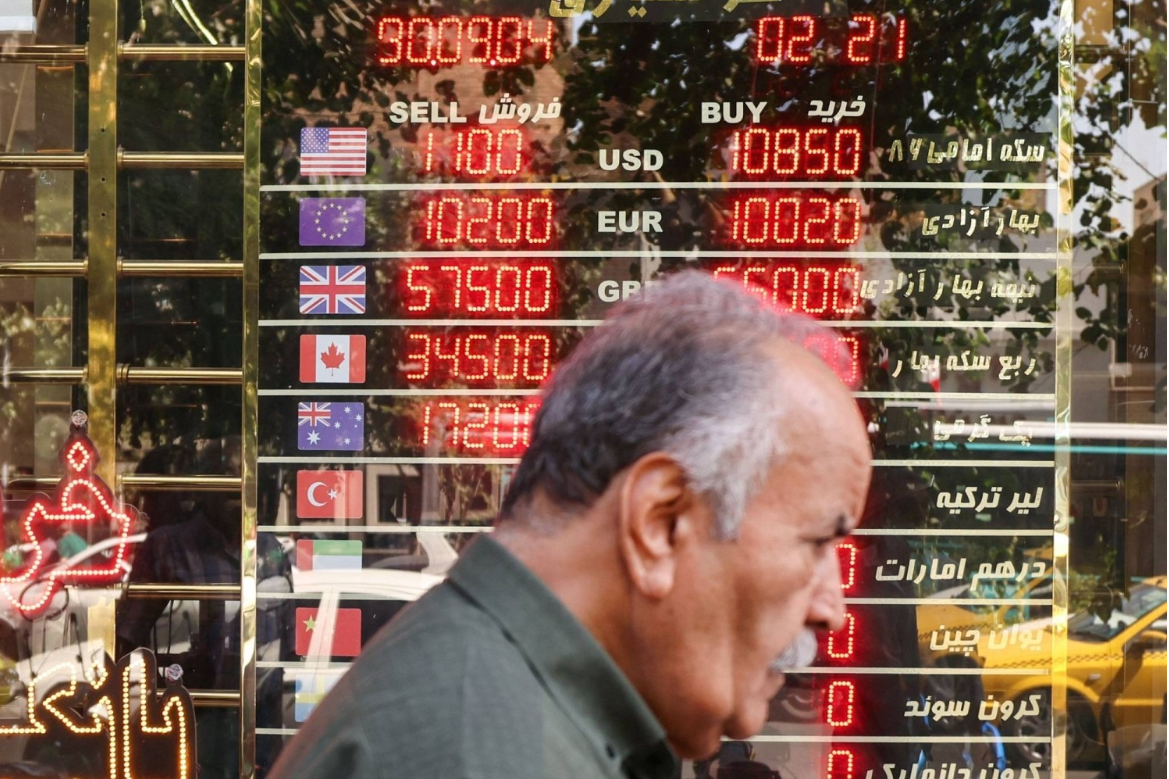
Prices Crueler Than Gunfire: Iran's Economic Crisis
Gi Yeon Koo (Seoul National University, Asia Center)
The war that began on February 28, 2026, with U.S. and Israeli airstrikes seemed to be winding down with a fragile ceasefire in April and a memorandum of understanding (MoU) in June. But the truce did not last three weeks, and U.S. strikes and Iranian retaliation continued to trade back and forth afterward. Iran has effectively blockaded the Strait of Hormuz since the early days of the war by controlling passage through it, and the United States has responded with its own naval blockade, stopping ships bound to and from Iranian ports. As fears of renewed fighting grow, what weighs even more heavily on ordinary Iranians is the economic situation.
Escalating Saudi–Houthi Conflict Raises Fears of a Wider Middle East Confrontation
So Yeon Ahn (SNUAC)
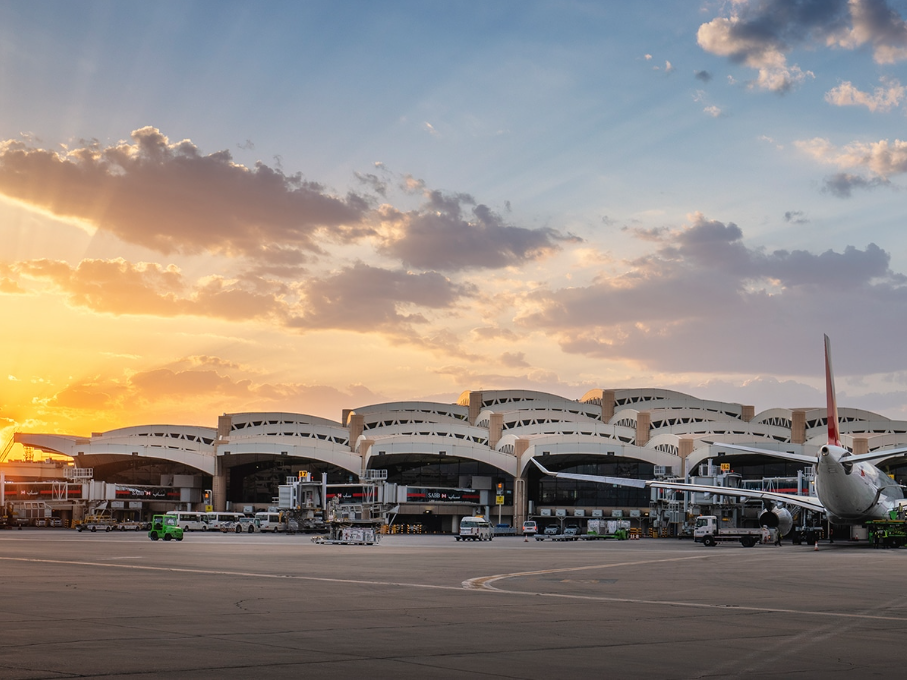
Military tensions between Yemen’s Houthi movement and Saudi Arabia have sharply escalated in September 2026. On 8 September, the Houthis launched a large-scale missile and drone attack targeting multiple locations in southern Saudi Arabia. Among the reported targets were an oil refinery in Jazan and several military facilities. Tensions intensified further on 15–16 September following reports that Saudi air defence systems had intercepted a Houthi drone heading towards the Mecca area. Although the Houthis denied Saudi claims that they had intended to attack Mecca, the perceived threat to the holy city inevitably heightened tensions between the two sides. Soon afterwards, on 19 September, Houthi attacks expanded as far as the Saudi capital, Riyadh, further raising fears that the confrontation could become another source of wider instability in the Middle East. The Houthis claimed that they had targeted ‘sensitive sites’ in Riyadh with missiles and drones, while flames and large plumes of black smoke were reportedly observed near Riyadh International Airport. The Saudi-led coalition subsequently announced that it had intercepted a missile heading towards the capital. At the same time, the Houthis claimed to have attacked Aramco facilities in Yanbu, a major oil-export hub on the Red Sea. Saudi authorities also stated that they had thwarted attacks targeting Taif, Bish, and the Farasan Islands.
The Makkah Pact’s First Test: Houthi Attacks on Saudi Arabia and Türkiye’s Choice
Haeun Han (SNUAC)
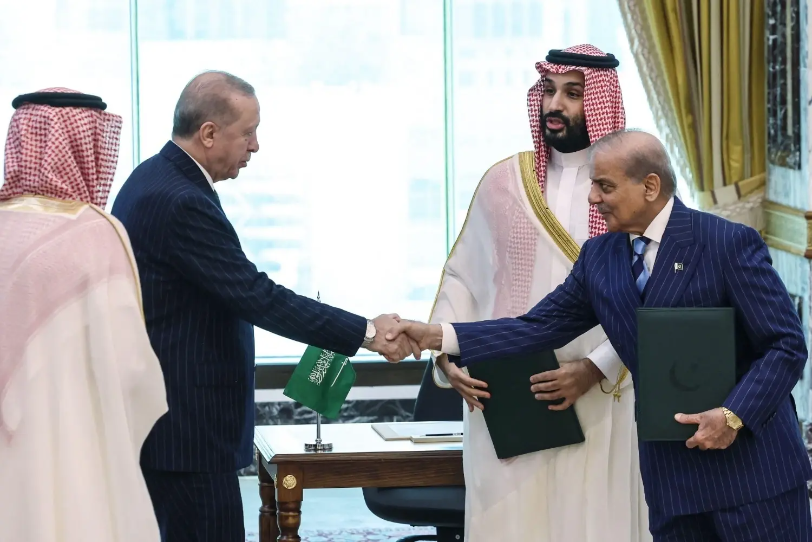
On August 7, 2026, Saudi Arabia, Türkiye, and Pakistan signed a joint defence agreement in Mecca, under which an armed attack against one country would be regarded as an attack against all three. The agreement emerged against the backdrop of growing uncertainty in the Middle Eastern security order. As questions have grown over U.S. security commitments and tensions involving Iran and Israel have intensified, the three countries have chosen to build a network that complements their respective weaknesses rather than replaces their existing alliances. Saudi Arabia can diversify its military options, Pakistan can expand its influence in the Gulf, and Türkiye can deepen its involvement in the regional security order. Ultimately, the agreement can be seen as an attempt to bring Saudi Arabia’s financial resources and regional influence, Pakistan’s military capabilities and nuclear deterrent, and Türkiye’s NATO experience and defence industry into a single security framework.
The Mecca Joint Defence Agreement: Can It Diversify Saudi Arabia's Security Partnerships and Strengthen Pakistan's Strategic Position
YANG, Jung-a(SNUAC)
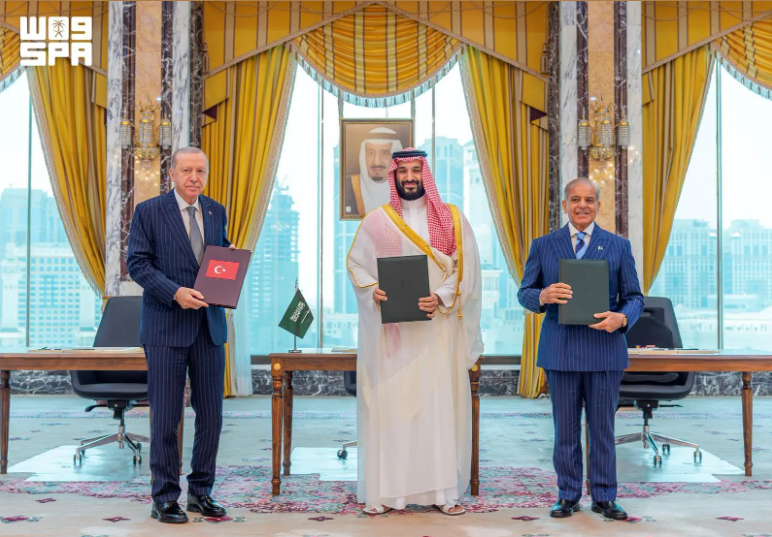
On August 7, Saudi Arabia, Pakistan, and Türkiye signed the Mecca Joint Defence Agreement in Mecca, Saudi Arabia. The agreement was signed by Saudi Crown Prince Mohammed bin Salman, Turkish President Recep Tayyip Erdoğan, and Pakistani Prime Minister Shehbaz Sharif. Its core principle is collective defense: an attack on any one signatory will be treated as an attack on all three.
발행처: 서울대학교 아시아연구소 서아시아센터, HK+메가아시아연구사업단
발행인: 채수홍 편집위원장: 구기연 편집위원: 안소연, 한하은, 황의현
연락처: 02-880-2084, katib@snu.ac.kr