
Escalating Saudi–Houthi Conflict Raises Fears of a Wider Middle East Confrontation
So Yeon Ahn (SNUAC)
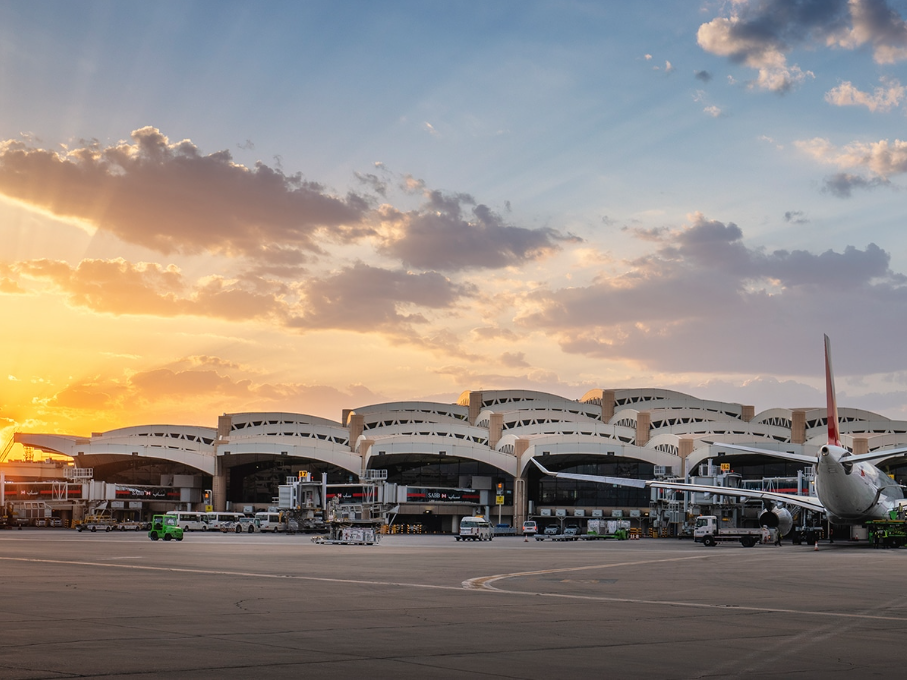
Military tensions between Yemen’s Houthi movement and Saudi Arabia have sharply escalated in September 2026. On 8 September, the Houthis launched a large-scale missile and drone attack targeting multiple locations in southern Saudi Arabia. Among the reported targets were an oil refinery in Jazan and several military facilities. Tensions intensified further on 15–16 September following reports that Saudi air defence systems had intercepted a Houthi drone heading towards the Mecca area. Although the Houthis denied Saudi claims that they had intended to attack Mecca, the perceived threat to the holy city inevitably heightened tensions between the two sides. Soon afterwards, on 19 September, Houthi attacks expanded as far as the Saudi capital, Riyadh, further raising fears that the confrontation could become another source of wider instability in the Middle East. The Houthis claimed that they had targeted ‘sensitive sites’ in Riyadh with missiles and drones, while flames and large plumes of black smoke were reportedly observed near Riyadh International Airport. The Saudi-led coalition subsequently announced that it had intercepted a missile heading towards the capital. At the same time, the Houthis claimed to have attacked Aramco facilities in Yanbu, a major oil-export hub on the Red Sea. Saudi authorities also stated that they had thwarted attacks targeting Taif, Bish, and the Farasan Islands.
As tensions between Saudi Arabia and the Houthis continue to intensify, the responses of major international actors also warrant close attention. The United States, in particular, has adopted a cautious approach. Saudi Crown Prince Mohammed bin Salman reportedly requested US military assistance from President Donald Trump on 11 September. Washington, however, did not agree to conduct direct strikes against the Houthis and instead reportedly offered intelligence-sharing and assistance with target identification. Alongside Washington’s cautious response, particular.
사우디-후티 갈등 격화 속 중동 전운 고조
안소연(아시아연구소)
2026년 9월 예멘 후티 반군과 사우디아라비아 간 군사적 충돌이 격화되고 있다. 9월 8일 후티 반군은 사우디 남부 다수 지역을 대상으로 미사일과 드론을 동원하여 대규모 공격을 감행했다. 사우디 자잔(Jazan)의 정유시설을 비롯한 군사 시설 등이 공격 대상이 되었다. 이어 9월 15-16일에는 사우디 메카 지역을 대상으로 한 후티 드론을 사우디 방공망이 요격했다는 소식이 전해지면서 긴장이 더욱 고조되었다. 후티 반군은 메카를 공격하려 했다는 사우디 측의 주장을 부인하였으나 메카 지역까지 위협을 받으면서 양측 간 갈등은 최고조에 이를 수밖에 없었다. 곧이어 9월 19일에는 후티 반군의 공격이 사우디 수도 리야드까지 확대되면서 양측 간 충돌이 중동의 새로운 전운을 불러일으키고 있다. 후티는 미사일과 드론으로 리야드의 ‘민감한 목표’를 공격했다고 주장했으며, 리야드 국제공항 인근에서 화염과 대규모 검은 연기가 관측됐다. 이에 사우디 주도 연합군은 리야드를 향한 미사일을 요격했다고 발표했다. 동시에 후티 측은 홍해의 핵심 석유 수출 거점인 얀부(Yanbu)의 아람코 시설도 공격했다고 주장했다. 사우디 측은 얀부 뿐 아니라 타이프, 비시(Bish), 파라산(Farasan) 등을 겨냥한 공격도 저지했다고 밝혔다.
사우디와 후티 간 갈등이 격화되고 있는 가운데 국제사회의 반응에도 주목할 필요가 있다. 먼저 미국은 신중한 대응을 보이고 있다. 무함마드 빈 살만 왕세자는 9월 11일 트럼프 대통령에게 미국의 군사 지원을 요청했으나 미국은 후티에 대한 직접 공격에는 동의하지 않았으며 정보 공유와 표적 식별 지원 제공을 제시한 것으로 전해진다. 미국의 조심스러운 반응과 더불어 2026년 9월 사우디의 대 후티 군사대응 과정에서 중국제 탄도미사일이 실전에 사용된 정황이 포착되어 관심이 쏠리고 있다.
한편 이번 후티의 대 사우디 공습은 지난 8월 체결한 사우디·튀르키예·파키스탄이 체결한 메카 공동방위협정(Mecca Joint Defence Agreement)의 첫 실질적 시험대 역할을 할 것으로 보인다. 이 협정은 세 국가 중 한 국가에 대한 무력 공격을 공동의 안보 문제로 간주하는 내용을 골자로 한다. 파키스탄은 후티의 사우디 공격이 협정 적용 대상이 될 수 있다고 밝힌데 이어 9월 19일 튀르키예의 하칸 피단 외무장관도 사우디가 필요로 할 경우 방위협정에 따라 특히 기술적·군사적 지원을 제공할 준비가 되어 있다는 의사를 표명했지만 구체적인 행동은 나타나지 않고 있다.