
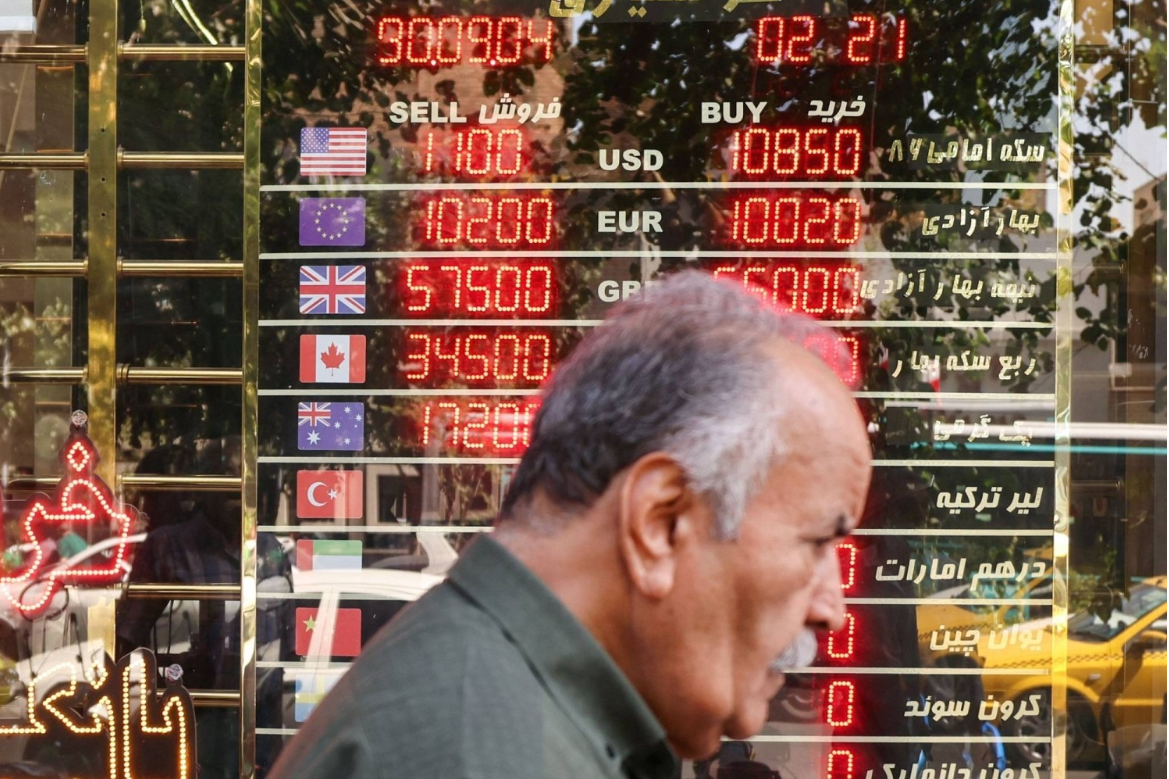
포성보다 가혹한 물가, 이란 경제 위기
구기연(서울대학교 아시아연구소)
2026년 2월 28일 미국과 이스라엘의 공습으로 시작된 전쟁은 4월의 불안한 휴전과 6월의 양해각서(MoU)로 수습되는 듯했다. 하지만 휴전은 3주를 넘기지 못했고 이후에도 미국의 타격과 이란의 보복이 오갔다. 이란은 전쟁 초기부터 호르무즈 해협의 통항을 통제하며 사실상 봉쇄해 왔고, 미국도 이란 항구를 오가는 선박을 막는 해상봉쇄로 맞섰다. 재개전에 대한 불안이 커지는 가운데, 이란 국민에게 이보다 더 심각한 것은 경제 상황이다.
이란 통계청에 따르면 전쟁 직후 3개월(3월 21일~6월 20일) GDP는 전년 동기 대비 10.1% 감소했고, 원유·가스 부문은 26.4% 줄었다. 호르무즈 통제와 미국의 봉쇄가 겹치면서 원유 수출길이 막혀 외화 수입이 급감했고, 원자재 수입도 어려워졌다. 물가는 통제 불능에 가깝다. 8월 물가는 전년 동월 대비 80%대로 뛰었고 식품은 이보다 더 올랐다. 이란 사람들의 소셜미디어에는 폭등하는 식품 가격을 풍자하는 동영상들이 연달아 올라오기도 했다. 리알화는 1년 사이 달러당 약 100만 리알에서 220만 리알을 넘어섰다. 전쟁 전후 테헤란 시장 가격을 비교한 결과 식용유는 177%, 닭고기는 74% 올랐고, 당뇨병 환자에게 필수적인 인슐린은 6배 이상 뛰었다. 건설자재 가격이 오르고 공사가 중단되면서 이란 전역의 주거비 부담이 커지고 있다. 이란 현지 지인에 따르면, 전쟁 기간 피난처 역할을 한 카스피해 연안 지역에서는 임대료가 급등하고 있다는 전언이다.
소득은 물가를 따라가지 못한다. 올해 최저임금은 월 약 82달러인 반면 한 가구의 기본 생계비는 월 약 450달러로 추산된다. 이란의 아레프 부통령은 물가가 60~70% 오르는데 임금을 20%만 올릴 수는 없다며, 국민의 소득이 지출을 감당하지 못하는 현실을 공개적으로 인정하기도 했다. 연료 문제도 심각하다. 8월 테헤란 주유소에는 긴 줄이 이어졌고 차량당 주유량이 제한되었으며, 정부는 9월 초 할당량을 넘는 휘발유 가격을 두 배로 올렸다. 2019년 휘발유 가격 인상은 유혈 진압으로 이어졌고, 2025년 12월에는 초인플레이션에서 촉발된 전국 시위가 있었음을 떠올리면서 불안한 일상이 이어지고 있다. 전쟁의 재개 여부와 별개로, 물가와 생계 문제는 이란 내부 안정을 좌우하는 핵심 변수가 되었다. 이번 연료 가격 인상에 대한 사회적 반응이 그 시험대가 될 수 있다.
Prices Crueler Than Gunfire: Iran’s Economic Crisis
Gi Yeon Koo (Seoul National University, Asia Center)
The war that began on February 28, 2026, with U.S. and Israeli airstrikes seemed to be winding down with a fragile ceasefire in April and a memorandum of understanding (MoU) in June. But the truce did not last three weeks, and U.S. strikes and Iranian retaliation continued to trade back and forth afterward. Iran has effectively blockaded the Strait of Hormuz since the early days of the war by controlling passage through it, and the United States has responded with its own naval blockade, stopping ships bound to and from Iranian ports. As fears of renewed fighting grow, what weighs even more heavily on ordinary Iranians is the economic situation.
According to Iran’s Statistical Center, GDP in the three months after the war began (March 21 to June 20) shrank 10.1% year-on-year, with the oil and gas sector down 26.4%. The Hormuz controls and the U.S. blockade together have choked off oil exports, sharply reducing foreign currency earnings and making it harder to import raw materials. Prices are close to out of control. In August, prices rose in the 80% range compared with a year earlier, and food prices rose even faster. Videos satirizing the soaring cost of food have been appearing one after another on Iranians’ social media. The rial has fallen from about 1 million to the dollar a year ago to more than 2.2 million. A comparison of Tehran market prices before and after the war shows cooking oil up 177% and chicken up 74%, while insulin, essential for people with diabetes, has risen more than sixfold. Rising construction material prices and stalled building projects are also increasing housing costs across the country. According to an acquaintance in Iran, rents are surging in the Caspian coastal region, which served as a refuge during the war.
Incomes are not keeping pace with prices. This year’s minimum wage is about $82 a month, while a household’s basic living costs are estimated at about $450 a month. Iranian Vice President Mohammad Reza Aref publicly acknowledged that people’s incomes can no longer cover their expenses, saying that wages cannot be raised by only 20% when prices are rising by 60 to 70%. The fuel problem is serious as well. In August, long lines formed at Tehran gas stations and the amount each car could buy was restricted, and in early September the government doubled the price of gasoline above the subsidized quota.
Remembering that the 2019 gasoline price increase ended in a bloody crackdown, and that nationwide protests sparked by hyperinflation erupted in December 2025, Iranians continue to live with unease. Whether or not the war resumes, prices and livelihoods have become the key variables for stability inside Iran. Public reaction to this fuel price increase could be the test.
(출처: