
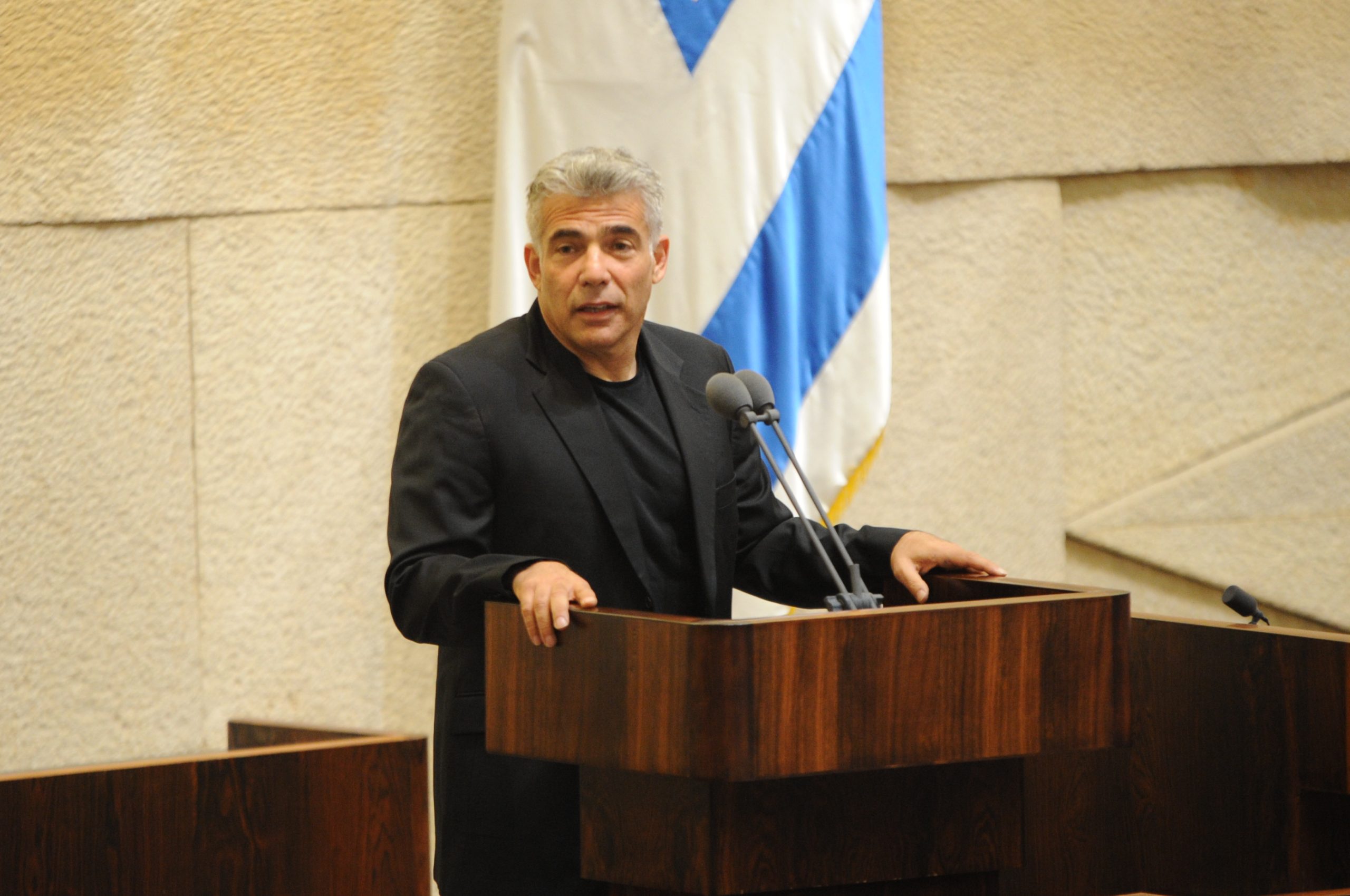
Why Is Israel’s Opposition Rejecting a Trump–Iran Deal?
Hwang Yuihyun(SNUAC)
On May 24, U.S. President Donald Trump announced that a breakthrough in negotiations between the United States and Iran was highly likely, prompting sharp criticism from Israel’s opposition, which argued that any such agreement would come at Israel’s expense and reflected a failure of Prime Minister Benjamin Netanyahu’s leadership.
While the details of the negotiations have not been officially disclosed, reports suggest that Iran may agree to abandon its stockpile of highly enriched uranium and reopen the Strait of Hormuz. In return, the United States would lift maritime restrictions and ease sanctions on Iran. According to multiple media reports, once navigation through the Strait of Hormuz resumes, Washington and Tehran are expected to enter a 60-day negotiation period to address key technical aspects of Iran’s nuclear program.
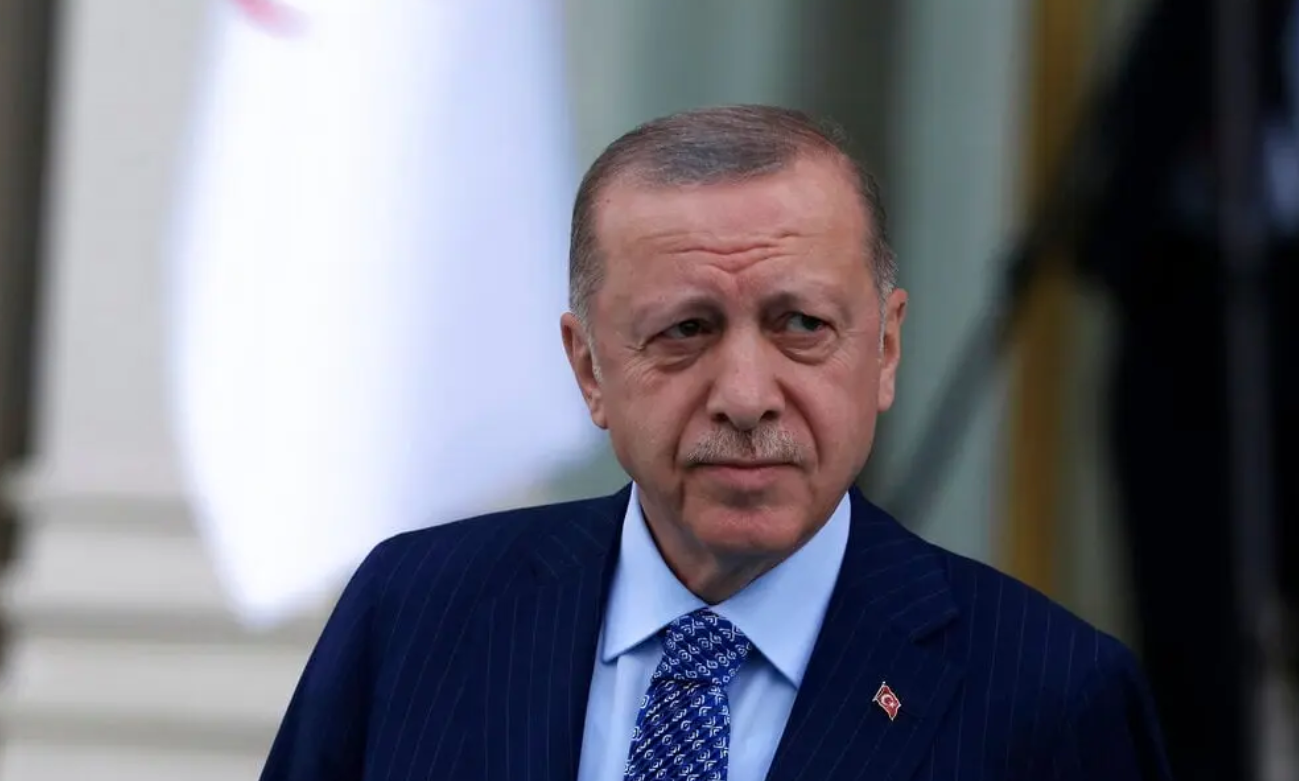
Turkey’s Calculations amid the U.S.-Israel–Iran War
Han, Ha-eun(SNUAC)
As the U.S.-Israel–Iran war has become prolonged, Turkey’s diplomatic position has moved beyond a simple ‘anti-Israel’ discourse and toward a more complex crisis-management strategy. In the early stage of the war, the Turkish government strongly criticized Israel’s and the United States’ attacks on Iran, defining them as the starting point of a ‘geopolitical deadlock’ that could spread across the Middle East. This position also overlapped with the anti-Israel sentiment that had intensified after the Gaza war, helping the Erdoğan government consolidate support among conservative and Islamist constituencies at home. However, as the war dragged on and the possibility grew that Iran’s missile and drone attacks could expand into the Gulf region, Turkey’s calculations became difficult to explain solely in terms of ideological solidarity. President Erdoğan warned that the war could drag the entire region into a ‘ring of fire’, while also drawing a line against Iranian military escalation. This shows that while Turkey criticized the military actions of Israel and the United States, it avoided a position of unconditional support for Iran. Ultimately, Ankara’s diplomatic line is based on a realist judgment: it politically utilizes anti-Israel discourse, while in actual policy it seeks to manage border stability, energy prices, refugee flows, and the possible spread of the Kurdish issue.
In the Shadow of the Ceasefire: Revolutionary Rhetoric and the Collapse of Iranian Livelihoods
Koo Gi Yeon (SNUAC)
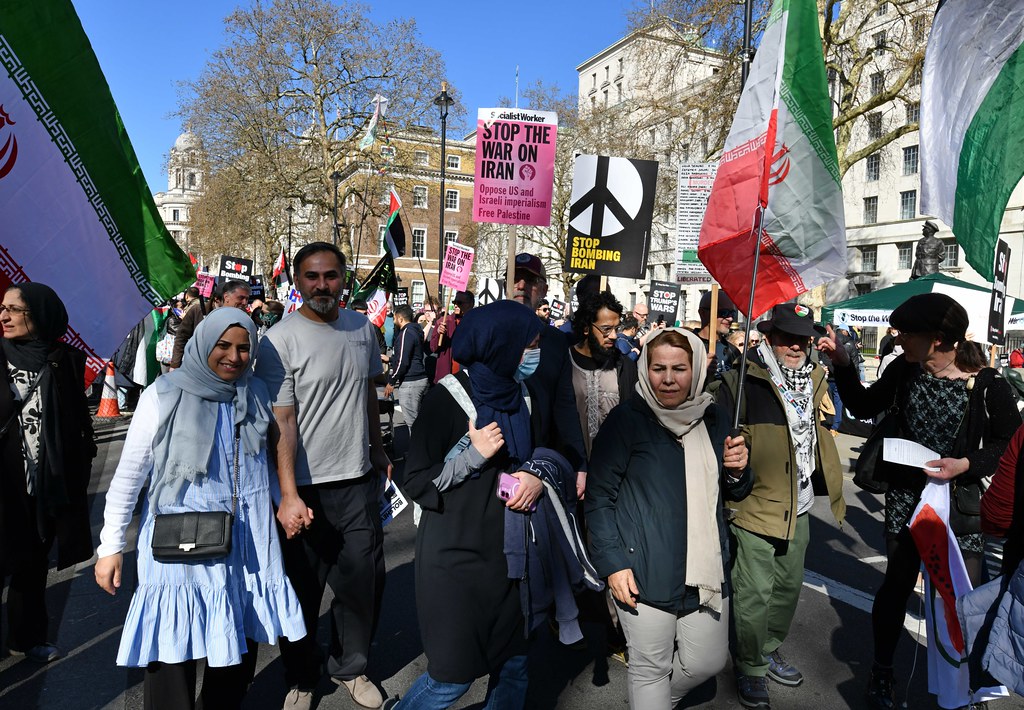
On April 8, 2026, the moment a two-week ceasefire between the United States and Iran was announced, a paradoxical cry erupted in the streets of Tehran. Pro-government demonstrators screamed “Death to America, Death to Israel, Death to the compromisers!” while burning American and Israeli flags. Organizers tried to calm the crowd, but the chants would not stop. This scene encapsulates the dual predicament Iran faces in the wake of the ceasefire. The fighting may have paused, but the political and economic crisis of the Islamic Republic of Iran is only now entering its most serious phase.
The Dilemma of the Gulf States Amid the Iran-Israel-US War
So Yeon Ahn (SNUAC)
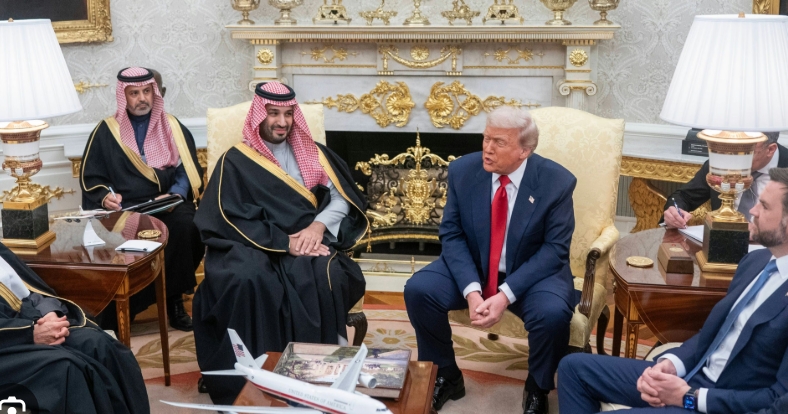
As news surfaces that a ceasefire in the Iran-Israel-US war is imminent, the Gulf states find themselves facing various dilemmas. Recently, US President Trump announced that a ceasefire with Iran is drawing near and urged Gulf nations, such as Saudi Arabia and Qatar, to join the Abraham Accords. President Trump mentioned the names of countries he recently spoke with by phone—including Saudi Arabia, the United Arab Emirates, Qatar, Pakistan, Turkey, Jordan, and Bahrain—and stated that he urged the leaders of these nations to sign the Abraham Accords once a war-termination agreement with Iran is reached. Trump remarked that, considering the effort the US has put into solving this highly complex puzzle, signing the Abraham Accords is an obligation for all these countries at the very least. He reportedly even expressed that Iran should pursue the normalization of relations with Israel. Meanwhile, Pakistan rejected Trump’s proposal, while the other nations have not released any public response.
발행처: 서울대학교 아시아연구소 서아시아센터, HK+메가아시아연구사업단
발행인: 채수홍 편집위원장: 구기연 편집위원: 안소연, 한하은, 황의현
연락처: 02-880-2084, katib@snu.ac.kr