
Why Is Israel’s Opposition Rejecting a Trump–Iran Deal?
Hwang Yuihyun(SNUAC)
On May 24, U.S. President Donald Trump announced that a breakthrough in negotiations between the United States and Iran was highly likely, prompting sharp criticism from Israel’s opposition, which argued that any such agreement would come at Israel’s expense and reflected a failure of Prime Minister Benjamin Netanyahu’s leadership.
While the details of the negotiations have not been officially disclosed, reports suggest that Iran may agree to abandon its stockpile of highly enriched uranium and reopen the Strait of Hormuz. In return, the United States would lift maritime restrictions and ease sanctions on Iran. According to multiple media reports, once navigation through the Strait of Hormuz resumes, Washington and Tehran are expected to enter a 60-day negotiation period to address key technical aspects of Iran’s nuclear program.
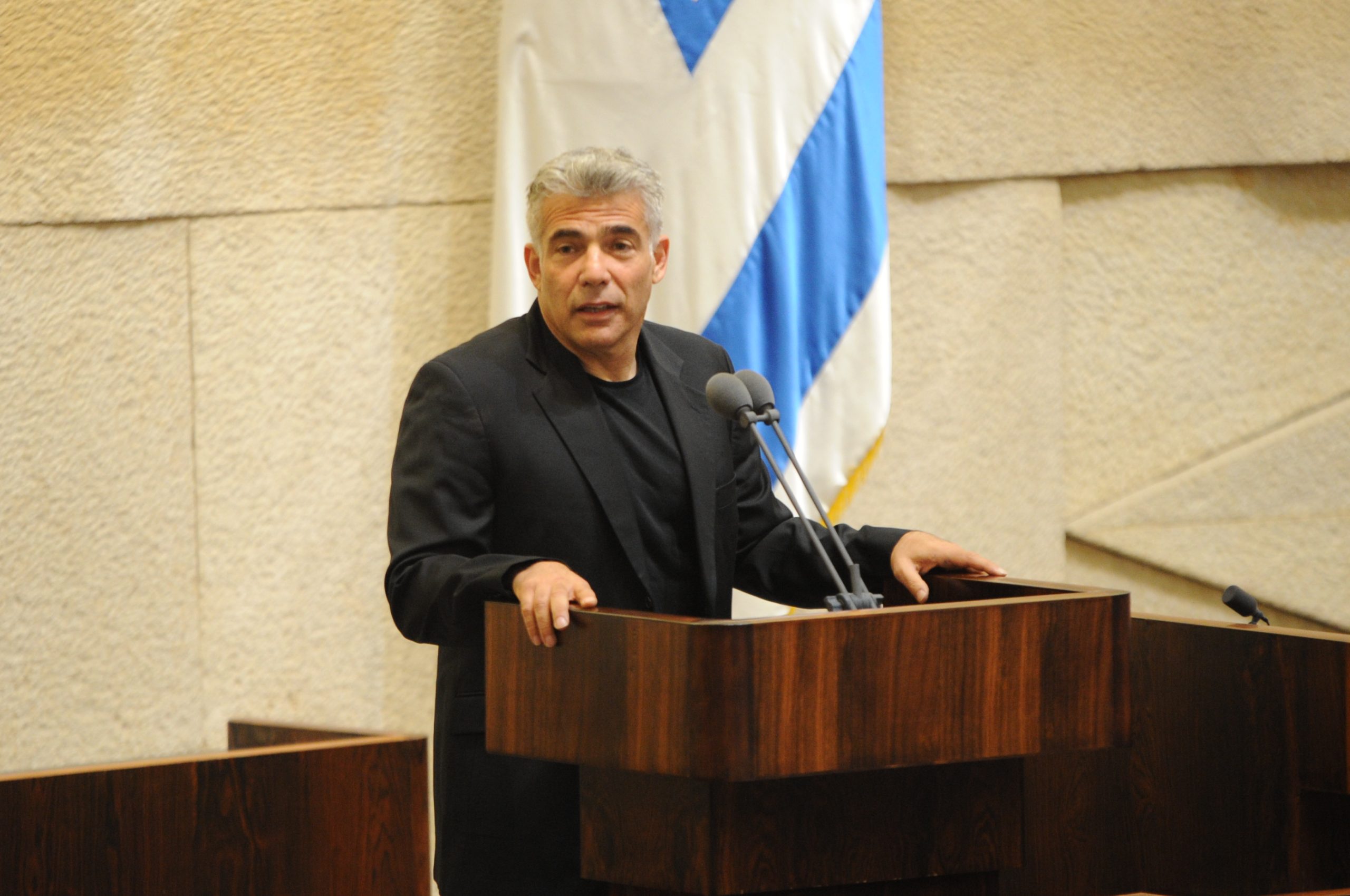
Opposition leader Yair Lapid condemned the prospective agreement on May 25, describing it as “a disaster” for Israel. He argued that Israel’s diplomacy during the conflict had been deeply ineffective and had allowed a series of unfavorable developments to occur. Lapid also criticized Netanyahu for surrounding himself with advisers ill-suited to govern. His central complaint was that Israel had been excluded from the negotiating process and was unable to influence its outcome. Citing Trump’s reported remark that “Netanyahu will do whatever I want,” Lapid argued that Israel’s leverage over Washington is weaker than at any point in recent years.
Since the outbreak of the Iran–U.S.–Israel conflict on February 28, Israel has achieved significant military successes, including the elimination of several senior Iranian leaders. These developments boosted Netanyahu’s approval ratings, and opposition figures such as Lapid initially supported the war effort. However, with parliamentary elections scheduled for October 2026, opposition parties have increasingly focused on highlighting what they describe as Netanyahu’s domestic and foreign policy failures in an effort to prevent his return to power.
In April, Lapid argued that despite Netanyahu’s declaration of operational success, the Iranian regime remained intact, its nuclear capabilities had not been fully dismantled, and both Iran’s missile arsenal and Hezbollah continued to pose serious threats to Israeli security. According to Lapid, the government had failed to achieve any outcome that fundamentally improved Israel’s long-term security. Yair Golan, leader of the opposition Democrats party, similarly criticized the reported killing of Iran’s Supreme Leader Ali Khamenei, arguing that it was a strategic mistake that did not enhance Israel’s security.
Another source of opposition criticism concerns Netanyahu’s efforts to maintain support from hardline conservative parties within his governing coalition. The 2026 state budget, passed by the ruling bloc in April, expanded financial assistance to the ultra-Orthodox Jewish community—a key constituency of coalition partners—and preserved exemptions from military service. At a time when many reservists have been serving extended deployments due to the prolonged conflict, continued draft exemptions for ultra-Orthodox Jews have become increasingly controversial.
The government has also faced criticism over legislation that would legalize the death penalty for Palestinians. Critics argue that such measures could trigger international backlash, further isolate Israel diplomatically, and damage the country’s foreign relations. While Netanyahu benefited politically from Israel’s early military successes, the prolonged nature of the conflict and the absence of a clear exit strategy have increasingly eroded those gains.
왜 이스라엘 야권은 트럼프와 이란의 협정에 반대하는가?
황의현(아시아연구소)
5월 24일 트럼프 대통령이 미국과 이란의 협상 타결 가능성이 크다고 발표하자 이스라엘 야권은 협상이 이스라엘에 큰 손해라며 베냐민 네타냐후 총리를 비판했다. 협상 내용은 구체적으로 공개되지 않았지만, 이란이 고농축 우라늄을 포기하고 호르무즈 해협을 개방하는 대신 미국도 이란으로 향하는 해로 봉쇄와 제재 해제하는 방안이 논의되는 것으로 알려졌다. 여러 언론 보도에 따르면 호르무즈 봉쇄가 해제된 뒤 미국과 이란은 60일간 이란 핵 프로그램의 핵심적 세부 사항에 관해 미국과 이란이 협상할 예정이다.
이스라엘 야권 지도자 야이르 라피드(Yair Lapid)는 5월 25일 협상이 이스라엘에 재앙이라고 발언했다. 라피드는 전쟁에 대응한 이스라엘의 외교는 최악이며 일어나서는 안 될 모든 일이 일어나도록 방조했다고 주장하고 네타냐후 총리가 국정 운영에 가장 부적합한 사람들에 둘려싸여 있다고 비판했다. 라피드가 지적한 문제는 이스라엘이 협상 과정에서 배제되고 발언력을 행사하지 못했다는 점이다. 트럼프 대통령의 “네타냐후는 내가 원하는 대로 무엇이든 할 것”이라는 발언을 지적하며 이스라엘이 미국에 행사할 수 있는 영향력은 그 어느 때보다 미약하다고 강조했다.
지난 2월 28일 이란-미국·이스라엘 전쟁이 발발한 뒤 이스라엘은 이란의 고위 지도부를 사살하는 등 큰 성과를 거두었으며, 네타냐후의 지지율도 크게 상승했다. 라피드 등 야권 지도자들도 이란과의 전쟁을 지지했다. 그러나 2026년 10월 선거를 앞두고 야권은 네타냐후의 재집권을 막기 위해 네타냐후가 대내외적으로 여러 실책을 저질렀다는 점을 강조하기 시작했다.
지난 4월 라피드는 네타냐후가 작전 성공을 선언했지만, 이란 정권이 여전히 건재하고 핵 개발 능력도 완전히 파괴되지 않았으며 이란의 미사일과 헤즈볼라도 아직도 이스라엘 안보를 위협하고 있다며 네타냐후가 전쟁에서 이스라엘 안보를 근본적으로 보장할 어떤 성과도 거두지 못했다고 비판한 바 있다. 야당 민주당의 야이르 골란(Yair Golan)도 이란 최고지도자 하메네이 사살이 이스라엘 안보에 도움이 되지 않는 실수라고 평가했다.
리쿠드(Likud)당과 함께 연정을 구성하는 강경 보수파의 지지를 유지하기 위한 정책도 야권이 네타냐후를 비판하는 이유다. 지난 4월 여권이 통과시킨 2026년도 예산안은 강경 보수 정당의 지지기반인 초정통파 유대인들에게 재정적 지원을 확대하고 병역 면제 권리를 인정하는 내용을 담고 있었다. 전쟁이 길어지며 많은 예비군이 오랜 기간 복무하는 상황에서 초정통파 유대인의 병역 면제 권리를 인정하는 것은 논란을 야기했다. 팔레스타인인 사형을 합법화하는 법안 또한 국제적 반발을 초래하고 이스라엘을 외교적으로 고립되게 만들어 이스라엘의 대외 관계에 악영향을 끼칠 것이라는 비판도 제기되었다. 전쟁 초기 네타냐후가 거둔 성과는 전쟁이 장기화하며 구체적 출구전략 부재로 인해 퇴색되는 모습이다.