
주한 모리타니 대사대리 기고문
모리타니: 한국을 위한 새로운 기회의 문을 열다
Prospects for the Middle East After the U.S. Midterm Elections
So Yeon Ahn (SNUAC)
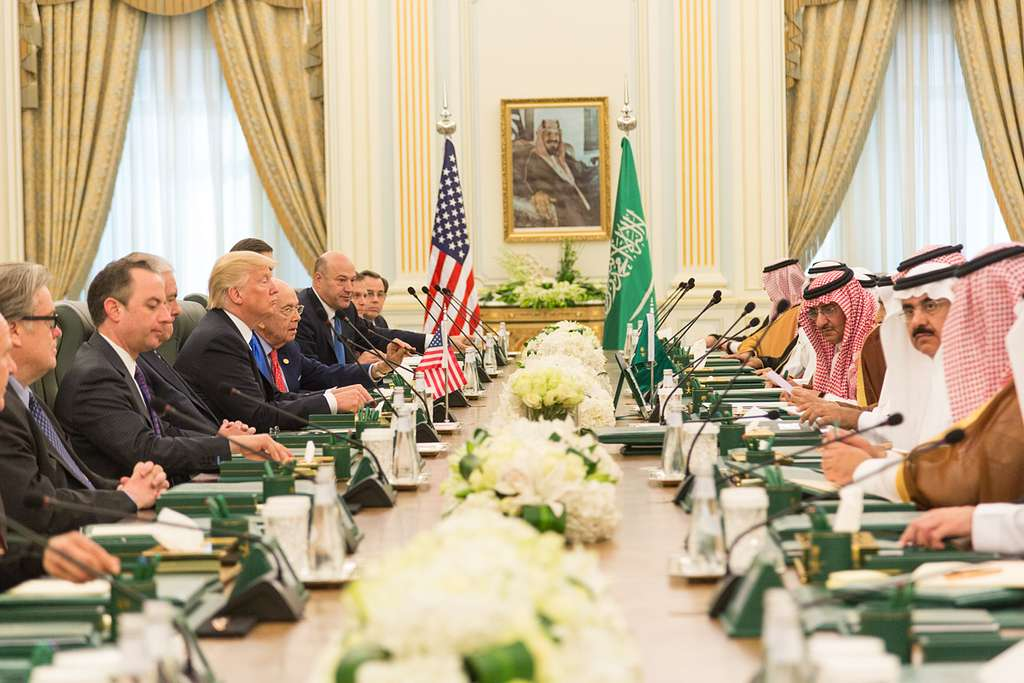
The U.S. midterm elections were held on November 3, 2026, amid the ongoing war with Iran that began earlier this year. In the elections, the Democratic Party secured majorities in both the Senate and the House of Representatives, dealing a significant political blow to the Trump administration. As the administration’s decision to engage in the war with Iran is widely considered to have played a major role in the election results, growing attention is being paid to the future direction of Trump’s foreign policy, particularly toward the Middle East. The election results have been interpreted as reflecting mounting public frustration over the prolonged war with Iran, rising inflation, and broader economic grievances. In particular, the increase in energy prices resulting from the war has placed additional pressure on the U.S. economy, demonstrating how developments in the Middle East are directly linked to American domestic politics. Public dissatisfaction also appears to have been fueled by the contradiction between Trump’s earlier criticism of previous administrations’ involvement in Middle Eastern conflicts, his repeated pledges to avoid foreign wars, and his subsequent decision to engage in military action against Iran.
Achievements and Challenges of the 2026 Korea–Türkiye Summit
Han Ha-eun (SNUAC)
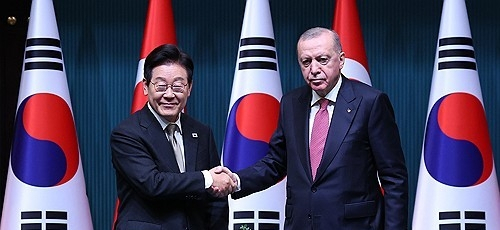
The Korea–Türkiye summit held in Seoul in November 2026 marked an important step toward transforming the historical ties between the two countries, often described as “brother nations” since the Korean War, into a more substantive economic and security partnership. Ahead of the 70th anniversary of diplomatic relations in 2027, both countries agreed to expand cooperation in strategic industries, including nuclear energy, defense, energy infrastructure, and critical minerals.
Israel's Election and the Future of the Gaza War
Jisu Lee (SNUAC)
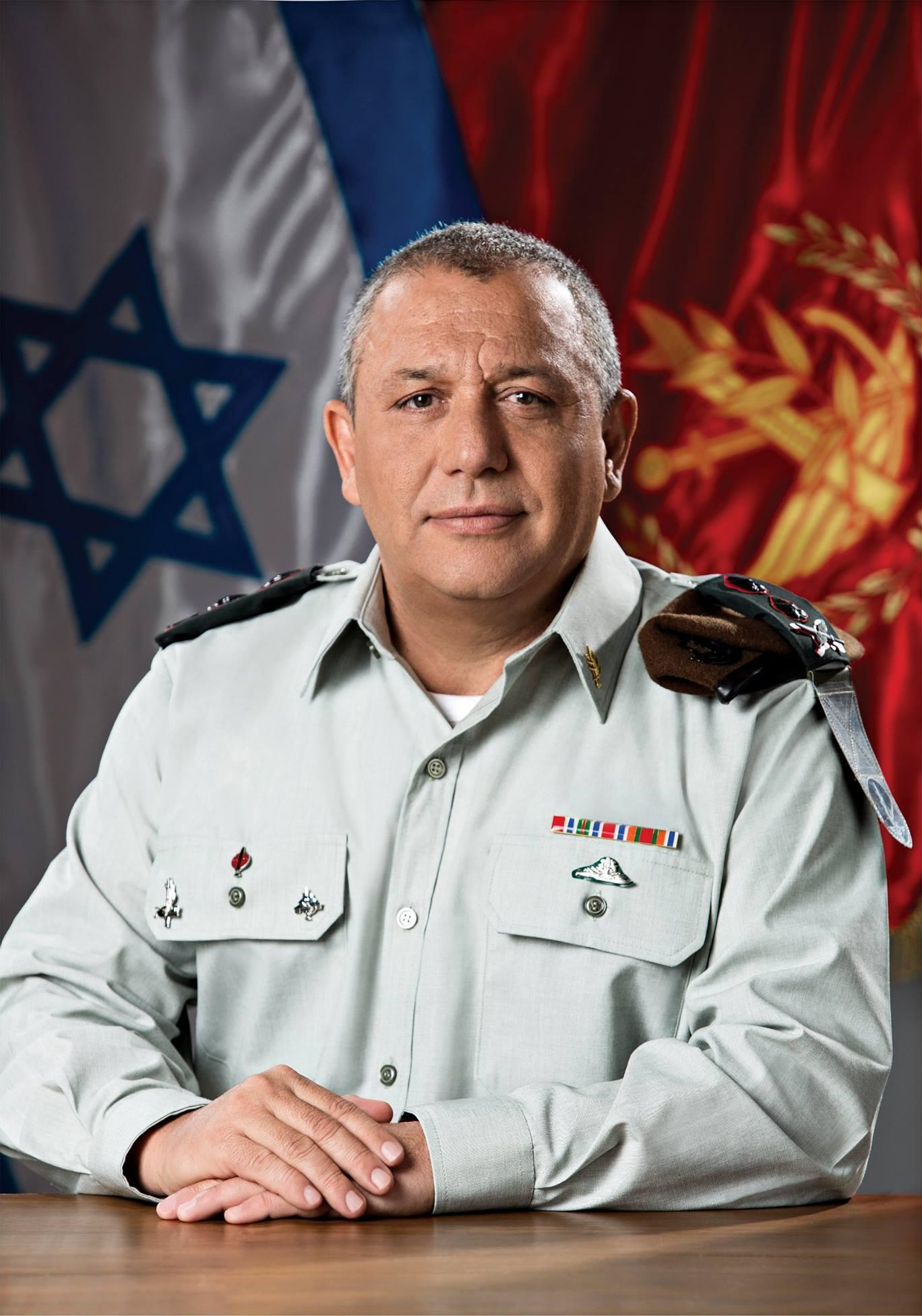
Israel held a general election on October 27, the first nationwide vote since Hamas’s October 7, 2023 attack on Israel and the subsequent war in Gaza, as well as major military confrontations with Lebanon and Iran. The election drew considerable attention, with one central question dominating the campaign: Would Prime Minister Benjamin Netanyahu manage to stay in power? Although his Likud party retained its position as the largest party in the Knesset with 27 seats, the outgoing governing coalition secured only 53 of the 120 seats, casting doubt on his chances of remaining in office. Meanwhile, Yashar, led by Gadi Eisenkot, emerged as the largest opposition party with 21 seats. Eisenkot, a former chief of staff of the Israel Defense Forces (IDF), was tasked by the president with forming a new government on November 7, in accordance with Israel’s constitutional procedures. He is currently negotiating with several parties to build a governing coalition.
Life Sentences for Bahrain's Shia Clerics: A Security Measure or Pressure on a Religious Community?
YANG, Jung-a (SNUAC)
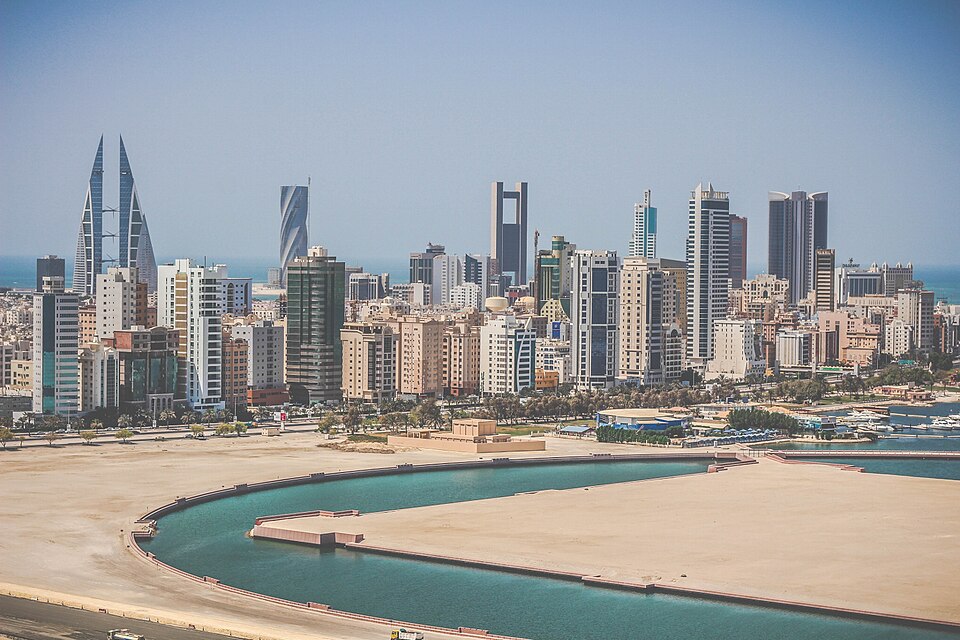
On November 16, 2026, Bahrain’s High Criminal Court convicted all 69 defendants, 60 of whom were Shia clerics. According to the Bahrain Institute for Rights and Democracy (BIRD), 64 were sentenced to life imprisonment and five to 15 years in prison. Among those sentenced to life in absentia was Sheikh Isa Qassim, a senior Shia cleric who has lived in Qom, Iran, since 2018.
발행처: 서울대학교 아시아연구소 서아시아센터, HK+메가아시아연구사업단
발행인: 채수홍 편집위원장: 구기연 편집위원: 안소연, 한하은, 황의현
연락처: 02-880-2084, katib@snu.ac.kr