
Israel’s Election and the Future of the Gaza War
Jisu Lee (SNUAC)
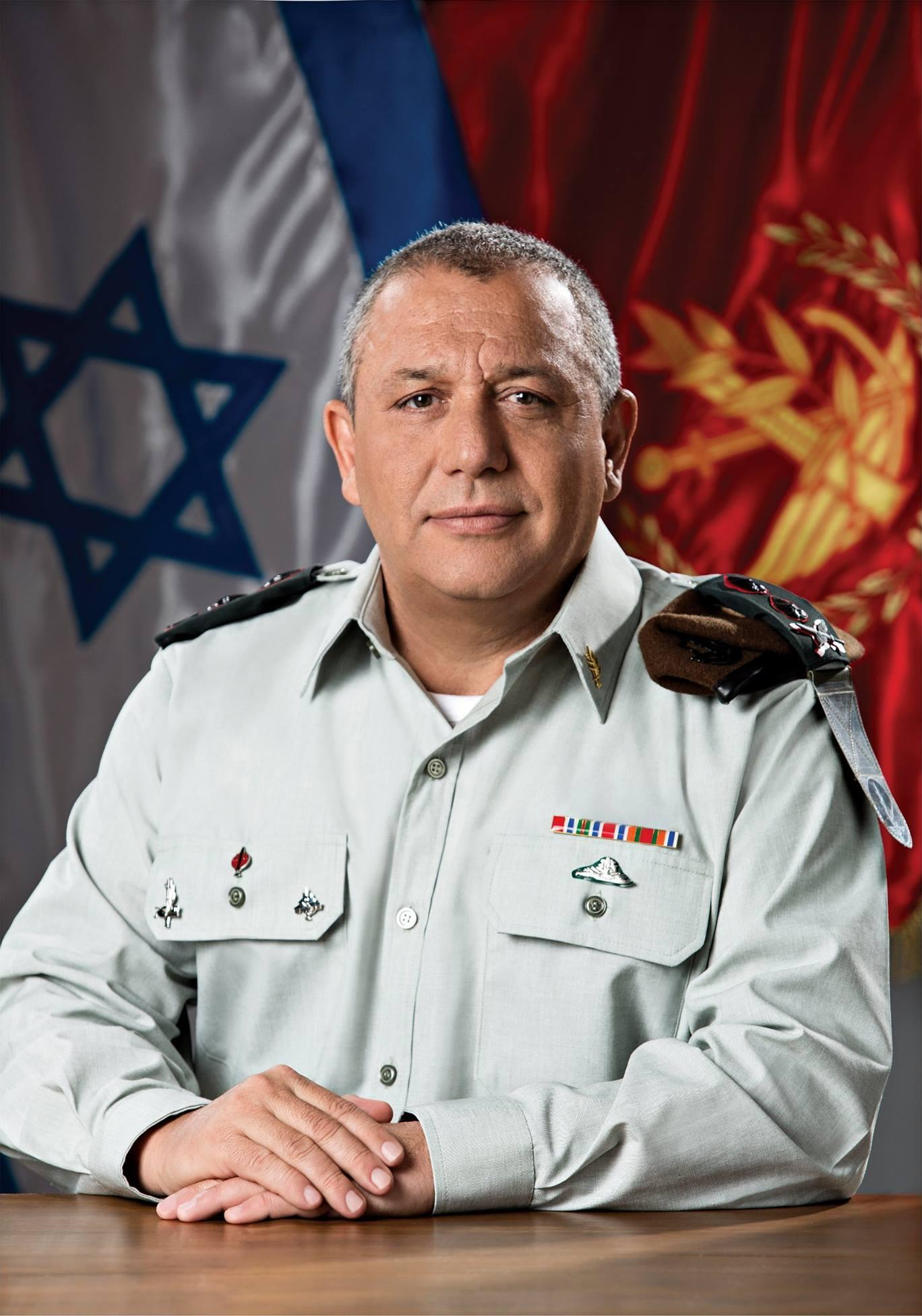
Israel held a general election on October 27, the first nationwide vote since Hamas’s October 7, 2023 attack on Israel and the subsequent war in Gaza, as well as major military confrontations with Lebanon and Iran. The election drew considerable attention, with one central question dominating the campaign: Would Prime Minister Benjamin Netanyahu manage to stay in power? Although his Likud party retained its position as the largest party in the Knesset with 27 seats, the outgoing governing coalition secured only 53 of the 120 seats, casting doubt on his chances of remaining in office. Meanwhile, Yashar, led by Gadi Eisenkot, emerged as the largest opposition party with 21 seats. Eisenkot, a former chief of staff of the Israel Defense Forces (IDF), was tasked by the president with forming a new government on November 7, in accordance with Israel’s constitutional procedures. He is currently negotiating with several parties to build a governing coalition.
Eisenkot has been one of Netanyahu’s most prominent political opponents, but it would be misleading to describe him as a moderate peacemaker. In September, he argued that believing the two-state solution remained realistic after the events of October 7, 2023, was simply out of touch with reality. His position on Gaza is not fundamentally different from Netanyahu’s stated war objectives: dismantling Hamas’s military capabilities and governing authority, and establishing an alternative administration to replace it.
Against this backdrop, the composition of Eisenkot’s prospective coalition has become a key factor in determining the future of the Gaza war. His current political alliance consists of four main parties. While they share the goal of removing Netanyahu from power, they differ considerably on security policy and the Palestinian question. The center-right Be’Yahad and the right-wing Yisrael Beiteinu see guarantees for Israel’s security as a prerequisite for resolving the Palestinian issue. They are therefore unlikely to support a rapid Israeli withdrawal from Gaza. By contrast, the center-left Democrats place greater emphasis on improving humanitarian conditions in Gaza and expanding the role of the Palestinian Authority (PA). The direction of the next government’s Palestinian policy could thus vary significantly depending on which parties wield the greatest influence within the coalition.
Together, these four parties hold just 48 seats, well short of the 61 required for a parliamentary majority. Eisenkot would therefore need the cooperation of Arab parties or defections from Netanyahu’s existing bloc to form a government. This makes the political orientation of any additional coalition partners particularly important. If coalition negotiations fail and the transfer of power is delayed, Netanyahu could remain in office as caretaker prime minister, potentially leading to another election.
It remains unclear when the Gaza war will finally come to an end. One notable outcome of this election, however, is the strengthened position of parties representing Israel’s Palestinian citizens. The Arab parties Ra’am and the Joint List secured a combined 19 seats, giving them potentially decisive influence over the formation of the next government. Meanwhile, the far-right parties that supported Netanyahu’s outgoing coalition appear likely to see their political influence diminished, at least for now.
If the Arab parties help bring about Netanyahu’s departure, a crucial question will be how much they can secure in return, particularly on issues concerning the Palestinians. The extent to which their participation translates into meaningful policy concessions could have significant implications for the future of Gaza. Ultimately, while the election has opened the door to a change in Israel’s political leadership, whether it will lead to a meaningful shift in the country’s approach to the Palestinian question remains uncertain.
이스라엘 총선과 가자전쟁의 향방
이지수(아시아연구소)
지난 10월 27일 이스라엘에서 총선이 실시되었다. 이 선거는 2023년 10월 7일 하마스의 이스라엘 공격과 그로 인해 촉발된 가자전쟁, 레바논 및 이란과의 대대적인 군사적 충돌을 거친 후 이스라엘에서 처음으로 치러진 전국 단위 선거라는 점에서 크게 주목 받았다. 현직 총리인 베냐민 네타냐후가 정권을 연장할 수 있을지가 선거의 쟁점이었다. 선거 결과 네타냐후가 이끄는 리쿠드당은 27석을 차지하며 원내 제1당 자리를 지켰으나, 기존 연정이 전체 120석 중 53석을 확보하는 데 그치며 그의 재집권이 불투명해졌다. 또, 가디 아이젠코트가 이끄는 야샤르당이 21석을 차지하며 제1야당으로 부상했다. 전직 이스라엘군 참모총장 출신인 아이젠코트는 이스라엘 법에 따라 11월 7일부로 대통령으로부터 차기 정부 구성 권한을 부여받았다. 그는 현재 여러 정당과 연정을 구성하기 위한 협상을 진행 중이다.
아이젠코트는 네타냐후의 퇴진을 요구해 온 대표적인 정치인이지만, 그를 온건한 평화주의자로 분류하기는 어렵다. 지난 9월, 그는 두 국가 해법이 여전히 현실적이라고 믿는 것은 2023년 10월 7일의 경험을 고려할 때 비현실적이라는 취지의 발언을 한 바 있다. 가자지구에서 하마스의 군사력과 통치 능력을 해체하고, 하마스를 대신할 통치체제를 구축해야 한다는 그의 주장은 네타냐후 정부가 공식적으로 발표한 전쟁 목표와 크게 다르지 않다.
이런 상황에서, 아이젠코트의 새 연정 구성은 가자전쟁의 향방을 결정할 중요한 변수로 떠올랐다. 아이젠코트가 현재 구성한 정치 연합에는 크게 네 개의 정당이 속해 있다. 이들은 네타냐후 퇴진이라는 목표에는 공감하지만, 안보정책이나 팔레스타인 문제에 대해서는 상당한 의견 차이를 보인다. 중도우파인 베야하드나 우파 성향의 이스라엘 베이테누는 이스라엘의 안보 보장을 팔레스타인 문제 해결의 필요조건으로 여긴다. 따라서 빠른 시일 내 가자에서의 철수에는 동의하지 않을 것으로 보인다. 반면, 중도좌파 성향의 이스라엘 민주당은 가자의 인도주의적 상황 개선과 팔레스타인 자치정부(PA)의 역할 확대에 방점을 둔다. 어느 정당이 연정을 주도하느냐에 따라 새 정부의 팔레스타인 정책은 달라질 여지가 있다. 더욱이, 이들 네 정당의 의석은 48석으로 아랍계 정당들의 협조나 기존 집권 진영 일부의 이탈 없이는 정부를 구성하기 어렵다. 때문에 아이젠코트의 연정에 새로 합류하는 정당이 어떤 성향인지에도 끊임없이 관심이 쏠린다. 만약 연정 구성이 실패하고 정권 교체가 지연된다면 네타냐후가 과도정부를 계속 이끌면서 재선거를 실시하게 될 가능성도 있다.
가자전쟁이 언제 끝날지는 알 수 없지만, 이번 총선으로 이스라엘 내 팔레스타인 시민을 대표하는 정당들의 입지는 강화되었다. 아랍계 정당인 라암과 공동명부가 총 19석을 확보하며 새로운 정부 구성에 결정적인 영향력을 행사할 수 있게 된 것이다. 반면, 네타냐후의 연정에 속해 있던 극우 정당들이 향후 정국에서는 영향력을 잃게 될 것이라는 점은 지금 시점에서 비교적 선명하다. 아랍계 정당들이 네타냐후를 퇴진시키는데 협력한다면, 그 대가로 팔레스타인 문제에서 얼마나 실질적인 양보를 얻을 수 있는지가 가자전쟁의 미래와 밀접한 관련이 있을 것으로 전망된다. 결국, 이번 총선으로 이스라엘에서 정권 교체 가능성은 크게 대두되었지만, 이것이 이스라엘의 대 팔레스타인 정책에 근본적인 변화를 가져올지는 여전히 불확실하다.
(사진 출처:Elad Malka / Wikimedia Commons / CC BY-SA 3.0)