
Türkiye as a Link between NATO’s Eastern and Southern Flanks
Han Ha-eun(SNUAC)
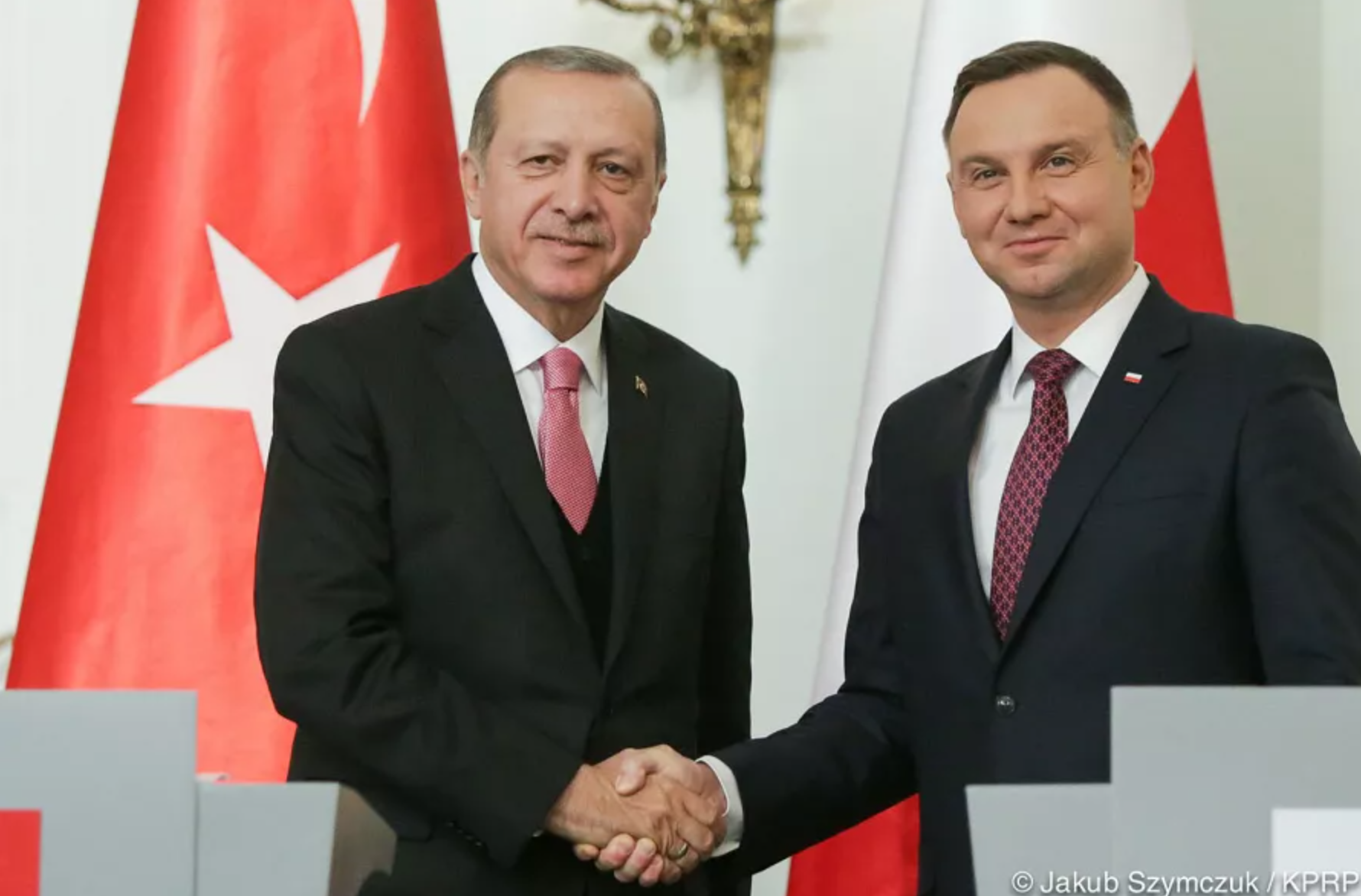
Following the Poland–Türkiye summit held in Ankara on June 23, Polish President Karol Nawrocki emphasized the long-standing friendship between Poland and Türkiye during a joint press conference. He referred to the historical fact that the Ottoman Empire never formally recognized the partitions of Poland or its erasure from the map of Europe, underscoring that bilateral relations rest not merely on diplomatic interests but also on historical trust. This was more than a ceremonial reminder of past friendship. Today, cooperation between Poland and Türkiye carries clear geopolitical significance at a time when Europe’s security order is under growing strain.
Poland is a country that directly faces Russian military pressure on NATO’s eastern flank, while Türkiye occupies a strategic gateway connecting the Black Sea, the Middle East, the Caucasus, and the Mediterranean. Although the two countries are geographically distant, they share common security concerns. Russia’s expanding influence, Black Sea security, energy supply chains, migration and border issues, and burden-sharing within NATO are all key areas in which Poland and Türkiye need to cooperate. In particular, since the war in Ukraine, stability in the Black Sea has become directly linked to Eastern European security. In this regard, Türkiye’s control of the Turkish Straits and its diplomatic balancing capacity are important strategic assets for Poland as well.
The relationship between the two countries is also important in terms of balance within NATO. Poland values security cooperation with the United States while also actively supporting the strengthening of Europe’s own defense capabilities. Türkiye, meanwhile, remains a member of the Western alliance but seeks to preserve an independent diplomatic space. If the two countries deepen their cooperation, NATO can move beyond a security structure centered mainly on Western Europe and instead build a more multidimensional defense framework that connects its eastern and southern flanks. Nawrocki’s announcement that he will attend the upcoming NATO summit in Ankara this July can also be understood in this context.
Ultimately, when historical trust is translated into contemporary security cooperation, Poland–Türkiye relations will gain greater practical significance as a strategic axis connecting Black Sea security with NATO’s eastern and southern flanks.
튀르키예가 잇는 NATO의 동·남부 전선
한하은(아시아연구소)
6월 23일 앙카라에서 열린 폴란드와 튀르키예 양국 정상회담 이후, 공동 기자회견에서 카롤 나브로츠키 폴란드 대통령은 폴란드와 튀르키예의 오랜 우정을 강조했다. 그는 오스만 제국이 폴란드 분할과 유럽 지도에서의 소멸을 공식적으로 인정하지 않았던 역사적 사실을 언급하며, 양국 관계가 단순한 외교적 이해관계를 넘어 역사적 신뢰 위에 놓여 있음을 부각했다. 이는 과거의 우호를 회상하는 의례적 발언에 그치지 않는다. 오늘날 폴란드와 튀르키예의 협력은 유럽 안보 질서가 흔들리는 상황에서 더욱 뚜렷한 지정학적 의미를 가진다.
폴란드는 NATO의 동부 전선에서 러시아의 군사적 압박을 직접 마주하는 국가이며, 튀르키예는 흑해, 중동, 코카서스, 지중해를 잇는 전략적 관문에 위치해 있다. 두 국가는 지리적으로 떨어져 있지만, 안보적으로는 같은 문제를 공유한다. 러시아의 영향력 확대, 흑해 안보, 에너지 공급망, 난민과 국경 문제, 그리고 NATO 내부의 방위 분담은 모두 폴란드와 튀르키예가 협력해야 할 핵심 의제다. 특히 우크라이나 전쟁 이후 흑해의 안정은 동유럽 안보와 직결되었고, 이 지점에서 튀르키예의 해협 통제와 외교적 조정 능력은 폴란드에게도 중요한 전략 자산이 된다.
또한 양국 관계는 NATO 내부의 균형이라는 측면에서도 중요하다. 폴란드는 미국과의 안보 협력을 중시하면서도 유럽 내부의 방위력 강화에 적극적이고, 튀르키예는 서방 동맹의 일원이면서도 독자적 외교 공간을 확보하려 한다. 두 국가가 협력할 경우 NATO는 단순히 서유럽 중심의 안보 체제를 넘어 동부 전선과 남부 전선을 함께 연결하는 보다 입체적인 방위 구조를 형성할 수 있다. 나브로츠키 대통령이 다가오는 7월, 앙카라 NATO 정상회의 참석을 밝힌 것도 이러한 맥락에서 이해할 수 있다.
결국 역사적 신뢰가 오늘날의 안보 협력으로 이어질 때, 폴란드와 튀르키예 관계는 흑해 안보와 NATO의 동·남부 전선을 연결하는 전략적 축으로서 더욱 실질적인 의미를 갖게 될 것이다.