
What Did the United States and Iran Agree To?
Hwang Yuihyun(SNUAC)
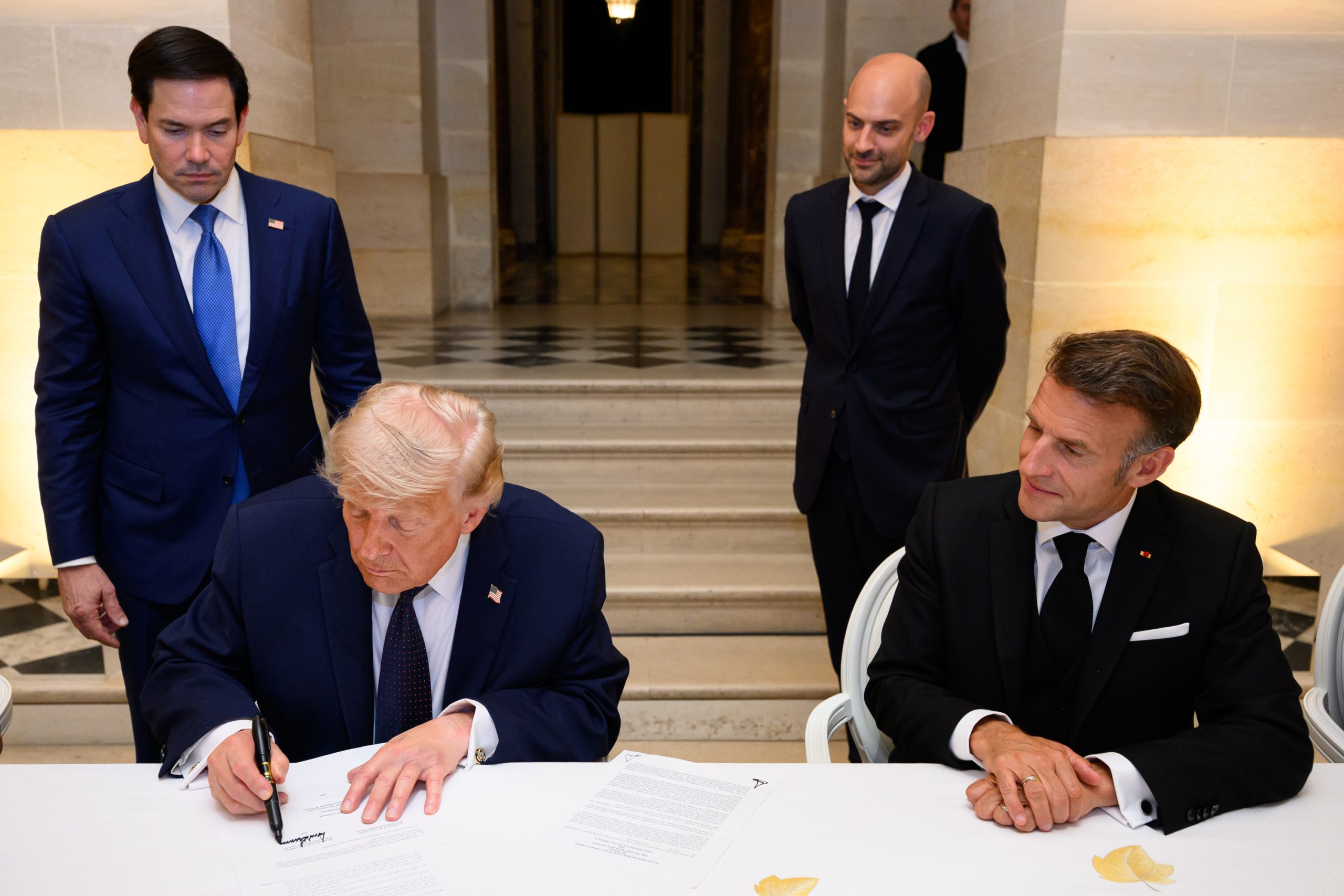
On June 17, the United States and Iran signed a memorandum of understanding (MOU) aimed at ending the war. The MOU, consisting of 14 articles, finally brought to a halt the four-month war between the United States and Iran that had continued since February. The two countries agreed to conduct negotiations for up to 60 days and conclude a final agreement to resolve the nuclear issue.
After the 14 articles were made public, experts assessed that the United States had gained little and suffered losses in the war; some even argued that the United States had been defeated. This was because the agreement contained provisions favorable to Iran. The clauses requiring a halt to military operations on all fronts, including Lebanon, and respect for the territorial integrity and sovereignty not only of Iran but also of Lebanon, reflected Iran’s position that a cessation of hostilities between Israel and Lebanon’s Hezbollah should also be included as a condition of the ceasefire. Iran agreed to reopen the Strait of Hormuz, but under the agreement, the period during which Iran guarantees free passage through the strait is limited to only 60 days. Iran reaffirmed its intention not to possess nuclear weapons, while the United States agreed to ease sanctions on Iranian oil exports, permit Iran to use its frozen assets, and work with its allies in the Middle East to establish a fund for Iran’s reconstruction.
In other words, when the agreement is viewed as a whole, Iran secured tangible gains—sanctions relief and the release of frozen assets—in exchange for reaffirming its long-held position of renouncing nuclear weapons. It also preserved the possibility of charging passage fees in the Strait of Hormuz in the future. By contrast, although the United States held a military advantage in the war, questions remain as to what it ultimately achieved. Other contentious issues in the conflict between Iran and the United States, such as Iran’s support for allied armed groups in the Middle East and its ballistic missile development, were not included in the agreement. Nor did the United States obtain a commitment guaranteeing permanent free passage through the Strait of Hormuz. Indeed, Mohammad Bagher Ghalibaf, the head of Iran’s negotiating team, described the agreement as “a declaration of American defeat.” Within the United States as well, critics argued that Trump, unable to withstand a prolonged period of high oil prices, accepted terms favorable to Iran. If the United States seeks to offset the disadvantages of the agreement in the negotiations ahead, Iran’s resistance could make the talks even more difficult.
미국과 이란은 무엇에 합의했는가?
황의현(아시아연구소)
6월 17일 미국과 이란이 전쟁 종식을 위한 양해각서(MoU)를 체결했다. 총 14개 항으로 구성된 양해각서 체결로 지난 2월부터 4개월간 이어지던 미국과 이란의 전쟁이 드디어 중단되었다. 양국은 앞으로 최대 60일 동안 협상을 진행해 핵문제를 최종적으로 해결할 합의를 체결하기로 했다.
14개 항목이 공개된 이후 전문가들은 미국이 이번 전쟁에서 손해만을 보았다고 평가했으며, 심지어 미국이 패배했다는 의견도 등장했다. 합의안이 이란에 유리한 내용을 담고 있기 때문이다. 레바논을 포함한 모든 전선에서 군사작전을 중단하며, 이란뿐만 아니라 레바논의 영토 보전과 주권을 존중한다는 내용은 이스라엘과 레바논 헤즈볼라의 교전 중단도 휴전 조건으로 내건 이란의 입장이 반영된 결과다. 이란은 호르무즈 해협을 개방하기로 했지만, 합의안에 따르면 이란이 해협 무상 통과를 보장하는 기간은 60일에 불과하다. 이란은 핵무기를 보유하지 않겠다는 뜻을 재확인했으며, 미국은 이란의 석유 수출 제재를 완화하고 이란의 동결 자산을 사용할 수 있도록 허가했으며, 중동 내 동맹국과 함께 이란 재건을 위한 기금을 조성하기로 했다.
즉 합의안 전체를 두고 볼 때, 이란은 예전부터 유지하던 입장인 핵무기 포기를 재확인하는 조건으로 제재 완화와 동결자산 해제라는 성과를 얻어냈으며 향후 호르무즈 해협에서 통행료를 받을 가능성까지 확보했다. 반면에 미국은 전쟁에서 군사적 우위를 점했지만, 결과적으로 얻은 것이 무엇인지 의문이 제기된다. 이란과 미국 갈등에서 또다른 쟁점인 중동 내 동맹 무장세력 지원이나 탄도미사일 개발과 같은 다른 쟁점에 관한 내용은 합의안에 포함되지 않았으며, 호르무즈 해협의 영구적인 무상 통과권을 보장하는 약속도 얻어내지 못했다. 실제로 이란 협상단장인 모함마드 바게르 갈리바프는 합의안이 “미국의 패배 선언”이라고 주장했으며, 미국 내에서도 트럼프가 고유가가 장기화하는 상황을 이기지 못하고 이란에 유리한 조건을 인정했다고 비판했다. 향후 미국이 진행될 협상에서 합의안의 불리한 점을 만회하려고 나선다면, 이란의 반발로 협상이 더욱 어려워질 가능성이 제기된다.