
The Middle East in 2025: Israel and the Gaza Strip, Iran, Iraq, Lebanon, and Syria
Hwang Yuihyun (SNUAC)
2025 was marked by heightened tensions across the eastern Middle East, including Israel and the Gaza Strip, Iran, Iraq, Lebanon, and Syria. The Gaza War, entering its third year, ended in October with a hostage exchange and a ceasefire agreement between Israel and Hamas, following extensive casualties. Despite this development, numerous unresolved issues remain, casting doubt on the prospects for a comprehensive settlement.
The United States proposed a postwar reconstruction plan for the Gaza Strip that included the disarmament of Hamas, the establishment of an interim governing body composed of neutral Palestinian figures and international experts, and the deployment of international peacekeeping forces to ensure security. Hamas, however, rejected disarmament, and no clear timetable for peace negotiations was established, leaving the future of Gaza highly uncertain.
As the conflict in Gaza continued, international criticism of Israel intensified. In August 2025, the European Union announced a review of its trade agreement with Israel, while Germany banned the export of weapons that could be used in the Gaza Strip. In September, the United Kingdom and France formally recognized Palestine as a sovereign state. Nevertheless, Israel persisted in expanding settlements in the West Bank and maintained a hardline policy stance, defying mounting international pressure.
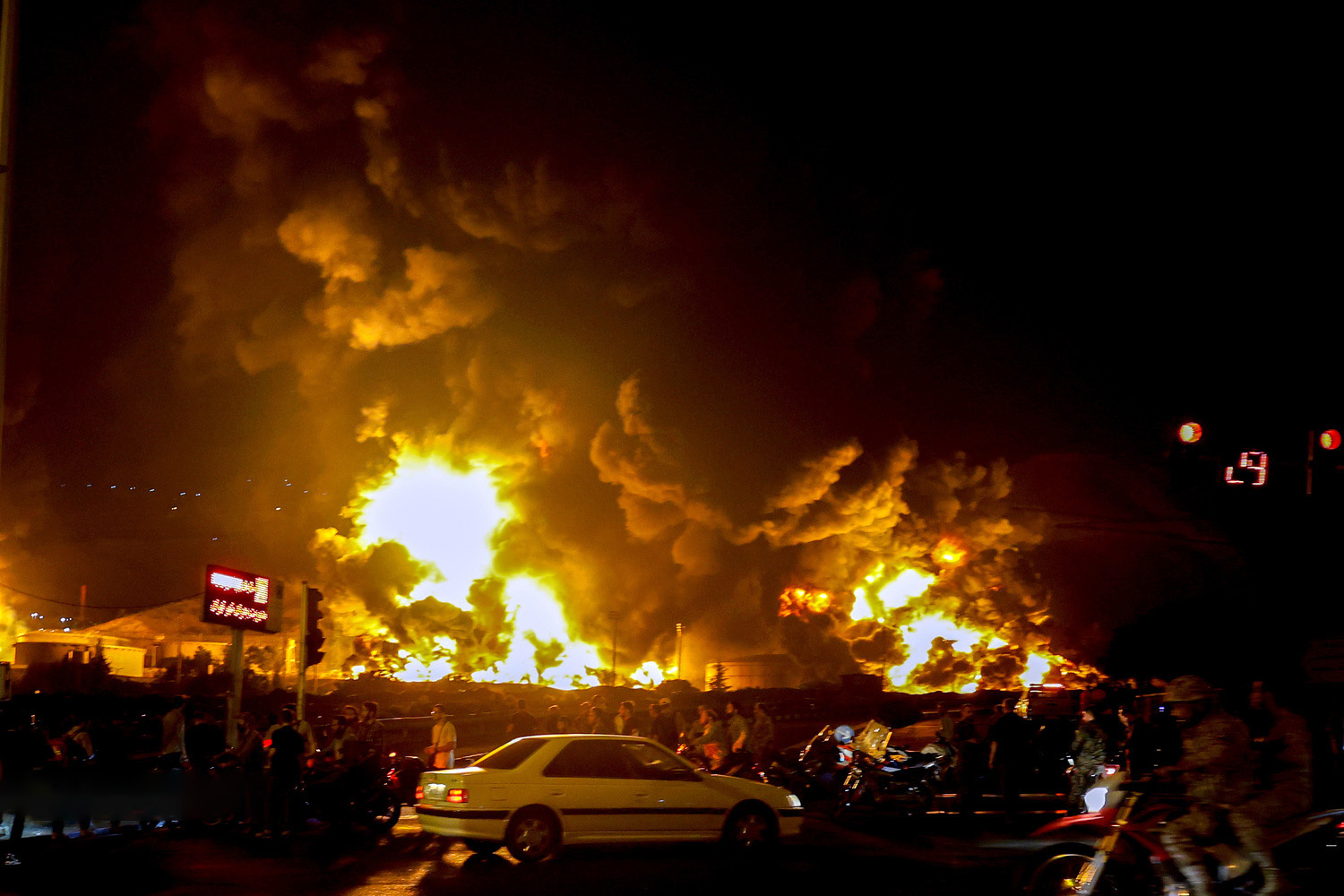
The Gaza War further escalated into a direct military confrontation between Israel and Iran on June 13, 2025. A surprise Israeli airstrike killed senior Iranian military officials, Islamic Revolutionary Guard Corps commanders, and nuclear scientists, while severely damaging Iran’s air defense systems. The conflict peaked on June 21, when the United States launched airstrikes on Iranian nuclear facilities. On the same day, U.S. President Trump announced the destruction of these facilities and declared a ceasefire, temporarily reducing the risk of a broader regional war. However, ongoing nuclear negotiations were suspended as a result of the conflict.
Iran responded to the Israeli and U.S. attacks by launching ballistic missiles at Israel and striking a U.S. military base in Qatar, declaring victory despite suffering substantial losses. These included the deaths of senior military leaders and nuclear experts, as well as extensive damage to its air defense infrastructure. Perhaps the most significant setback for Iran in 2025 was the weakening of its regional proxy network. Hamas in Gaza and Hezbollah in Lebanon were both severely degraded through leadership losses and military setbacks, sharply reducing Iran’s deterrence capacity vis-à-vis Israel.
The collapse of the Assad regime in Syria in December 2024 further eroded Iran’s regional influence. Syria announced an interim constitution in March 2025 and held parliamentary elections in October. However, these elections were conducted without full central government control over Kurdish-majority northern regions and Druze-dominated southern areas, raising concerns about their representativeness. Continued large-scale violence in the Alawite coastal region and Druze areas highlighted the Syrian government’s limited capacity to ensure security, leaving the risk of renewed conflict high. Israel’s continued airstrikes, including attacks on Damascus in July, further exacerbated Syria’s security challenges.
In Lebanon, the weakening of Hezbollah created an opportunity for the state to reassert authority. Following the election of Joseph Aoun as president in January—ending a year-long presidential vacancy—the Lebanese government initiated economic reforms and efforts to disarm Hezbollah. Nonetheless, Hezbollah remains strongly opposed, the state’s institutional capacity remains limited, and entrenched interests benefiting from the existing system are expected to resist reform.
In Iraq, the Reconstruction and Development Alliance, led by Prime Minister Muhammad al-Sudani, emerged as the largest bloc in the November 2025 parliamentary elections. Public disillusionment with the political establishment was reflected in a low voter turnout of 56%. Iraq’s chronic political challenges—particularly prolonged cabinet formation due to factional bargaining—are likely to resurface, raising the prospect of continued political instability.
중동의 2025년: 이스라엘과 가자지구, 이란, 이라크, 레바논, 시리아
황의현(아시아연구소)
2025년은 중동 동부(이스라엘과 가자지구, 이란, 이라크, 레바논, 시리아)는 긴장이 최고조에 달했던 해였다. 3년째에 접어든 가자지구 전쟁은 막대한 인명 피해를 남긴 채 10월 이스라엘과 하마스가 인질 교환과 휴전에 합의하며 중단되었지만, 완전한 종전까지는 여전히 합의되지 않은 쟁점이 많이 남아 있다. 미국은 하마스의 무장 해제, 중립적 팔레스타인 인사들과 국제 전문가들로 구성된 통치기구 구성, 가자지구의 치안을 유지할 국제평화유지군 주둔 등을 골자로 한 가자지구 재건 계획을 제시했지만, 하마스는 무장 해제를 거부하고 있으며 평화 협상 일정도 정해지지 않아 전망은 여전히 불투명하다.
가자지구 분쟁 장기화와 함께 이스라엘에 대한 국제적 비판도 고조되었다. 2025년 8월 EU는 이스라엘과의 무역협정을 재검토할 것이라고 발표했으며 독일이 가자지구에서 사용될 수 있는 무기의 이스라엘 수출을 금지했다. 9월에는 영국과 프랑스는 팔레스타인을 정식 국가로 인정했다. 그러나 이스라엘은 서안지구 정착촌을 확대하며 국제사회의 비판에 개의치 않는 강경한 태도를 고수하고 있다.
가자지구 전쟁은 2025년 6월 13일 이스라엘과 이란의 전면적 무력 충돌로 확대되었다. 이스라엘의 기습 공습으로 이란의 군부 및 혁명수비대(IRGC) 고위 지휘관과 핵분야 과학자들이 살해당했으며 이란의 방공 시스템이 큰 피해를 입었다. 이어 6월 21일 미국이 이란 핵시설에 공습을 가하면서 갈등은 최고조에 다다랐다. 6월 21일 트럼프 미국 대통령이 이란 핵시설 파괴와 완전 정전(complete ceasefire)을 선언하며 전면적 중동 전쟁 발생 위험은 감소했지만, 충돌 직전까지 진행 중이던 핵협상은 중단되었다.
이란은 이스라엘과 미국의 공격에 대응해 이스라엘에 탄도미사일을 발사하고 카타르의 미군 기지를 공격한 뒤 승리를 선언했지만, 군부 고위 지도부와 핵기술 전문가들이 사망했을 뿐만 아니라 방공 시스템까지 파괴되는 막대한 피해를 입었다. 2025년 이란이 겪은 가장 큰 타격은 바로 이란의 안보 전략에서 핵심적 역할을 수행하던 친이란 세력의 약화다. 가자지구의 하마스, 레바논 헤즈볼라가 이스라엘과의 전쟁에서 지도부가 궤멸당하고 군사적 피해를 입는 등 크게 약화된 상황에서 이란이 이스라엘에 억제력을 행사할 역량이 크게 축소되었다. 2024년 12월 시리아 아사드 정권까지 무너지며 중동의 친이란 진영은 약화된 상황이다.
시리아는 2025년 3월 임시헌법이 발표되고 10월 총선을 치러 의회를 구성했지만, 선거는 중앙정부가 북부 쿠르드 지역과 남부 드루즈파 지역을 완전히 통제하지 못한 가운데 치러져 대표성의 문제를 안고 있으며, 알라위파 해안 지역과 드루즈파 지역에서 발생한 대규모 폭력 사태는 시리아 정부의 치안 유지 능력이 완전하지 않으며 여전히 분쟁과 폭력 가능성이 크다는 점을 보여주었다. 7월에는 이스라엘이 다마스쿠스를 공습하는 등 이스라엘의 공세적 대외 전략은 시리아 안보에도 위협으로 작용한다.
헤즈볼라가 약화된 뒤 레바논은 정부가 통제력을 되찾으려는 움직임을 보이고 있다. 1월 조셉 아운(Joseph Aoun)을 대통령으로 선출해 1년 넘게 지속된 대통령 공석 사태를 마무리한 뒤, 레바논 정부는 경제 구조 개혁과 헤즈볼라의 무장 해제를 위한 노력에 나섰다. 그러나 헤즈볼라가 여전히 강하게 반발하고 있으며 중앙정부의 역량도 여전히 충분하지 않은 것으로 평가되며, 기존 체제에서 이득을 누린 기득권층도 개혁에 반발할 것으로 예상된다.
이라크는 2025년 11월 총선에서 무함마드 알수다니(Muhammad al-Sudani) 총리가 이끄는 재건개발동맹(Reconstruction and Development Alliance)가 원내 1위를 거두었다. 기성 정치권에 대한 이라크 국민의 높은 반감은 56%에 불과한 저조한 투표율로 나타났으며, 이라크 정치의 고질적인 문제인 정파 간 권력 다툼으로 내각 구성까지 오랜 시간이 걸려 정치적 불안정성이 장기화되는 상황은 이번에도 반복될 것으로 전망된다.